

 App Store

COIN VALUE GUIDES · SILVER DOLLARS
1895 Morgan Dollar Value:No Mint Mark Proofs versus O and S
Distinguish the 1895 Philadelphia Proof dollar from O and S regular strikes, with separate grade references and mint-mark authentication checks.
 HeriBase TeamPublished
In this article
Quick answer
An 1895 Morgan dollar must be identified by mint and manufacture before it can be valued. The known no-mint-mark Philadelphia issue is a scarce Proof; 1895-O and 1895-S are separate regular-strike issues. A missing or unreadable mint letter does not authenticate the valuable Philadelphia Proof.
PCGS guide references checked October 26, 2026 include $85,000 for an ordinary non-Cameo Philadelphia PR63, $500 for an O-mint VF20 and $1,000 for an S-mint VF20. These are different issues and grades, not a single price range for one coin. The table below separates comparable grades.
Coin photos
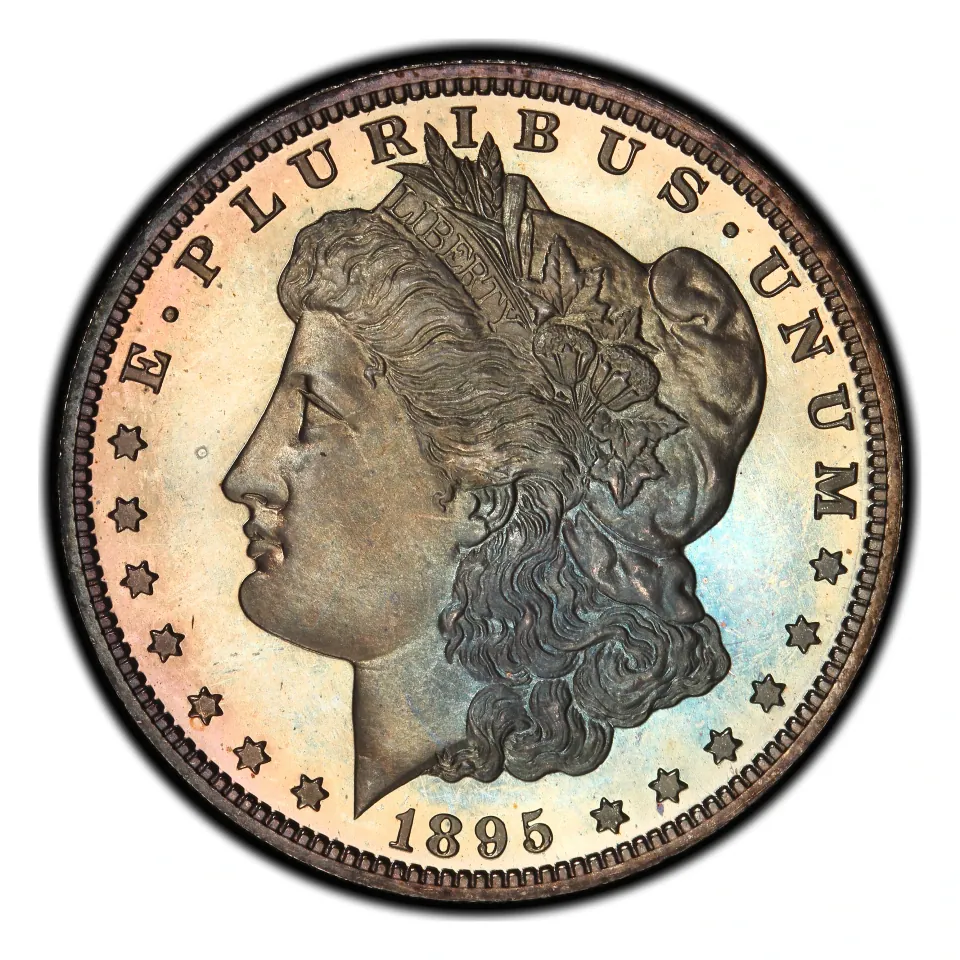
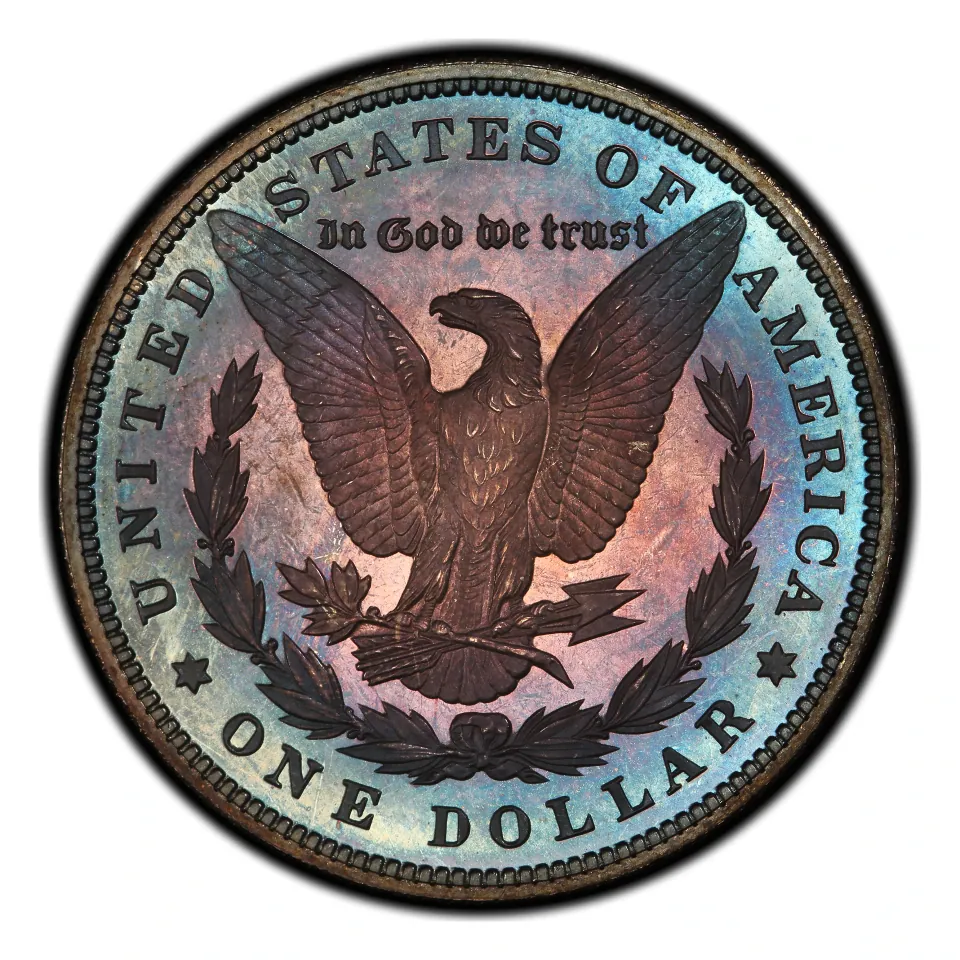
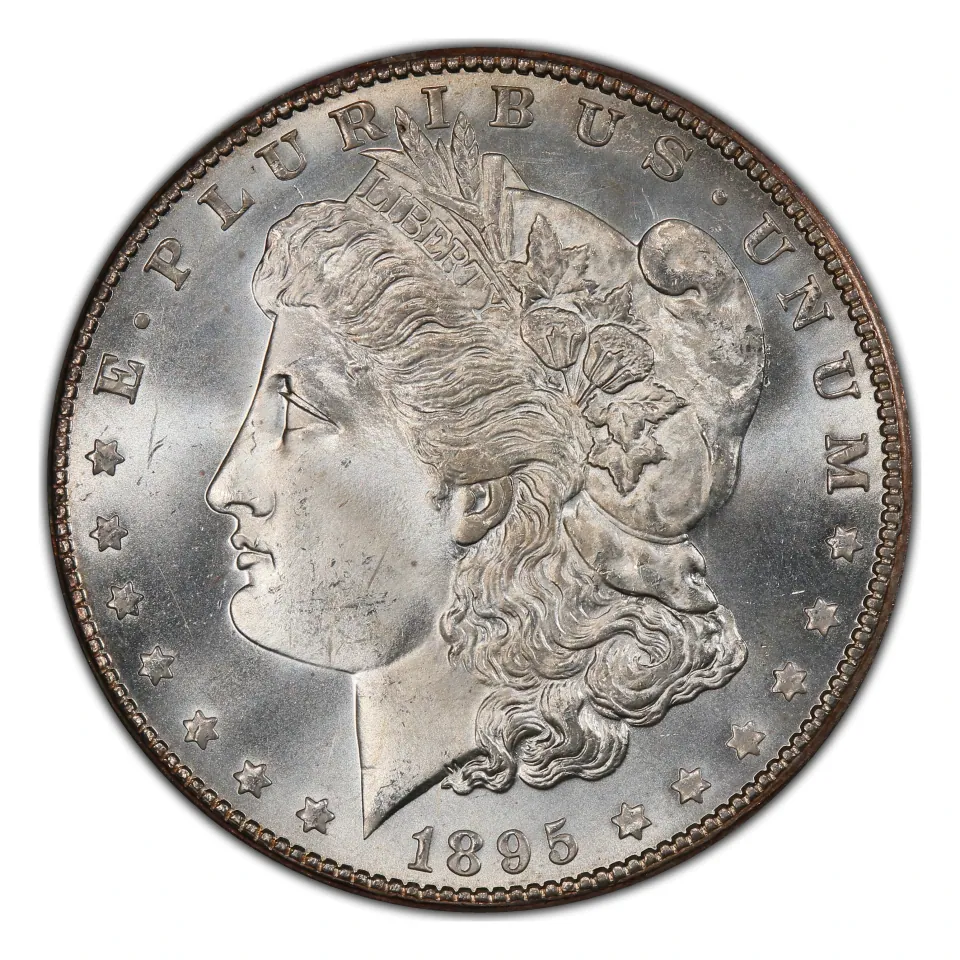
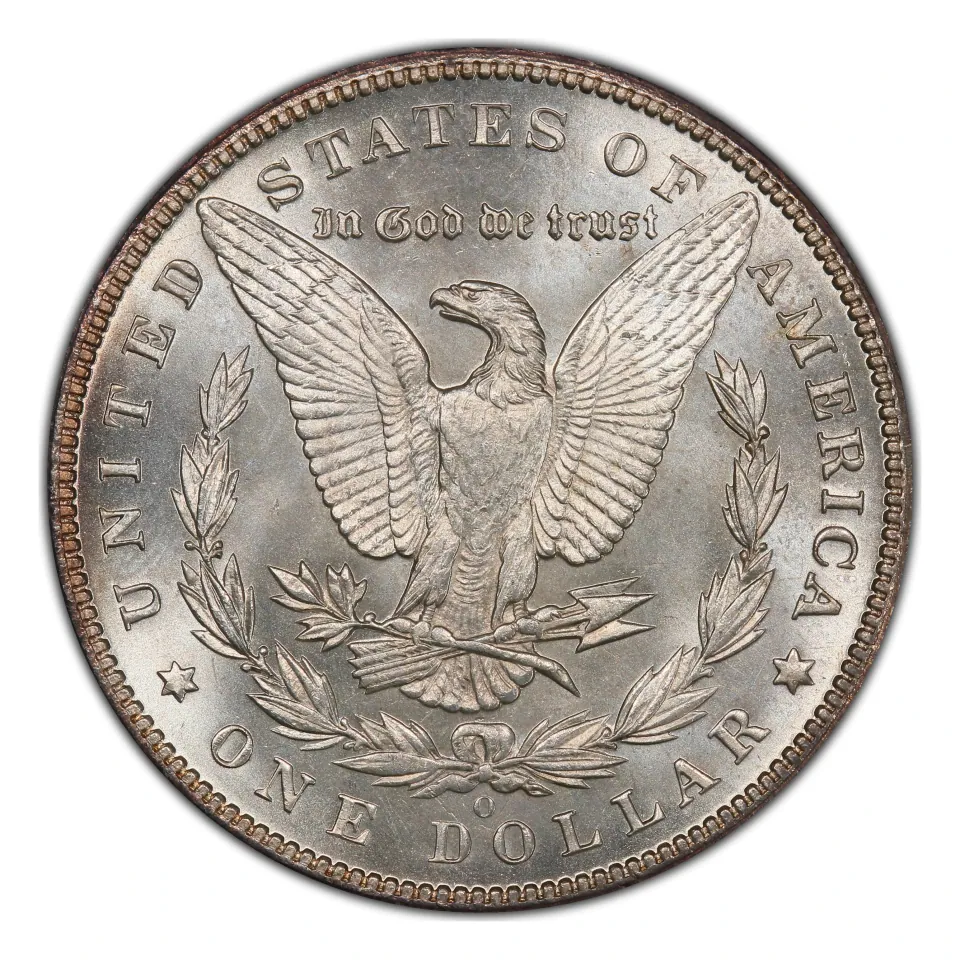
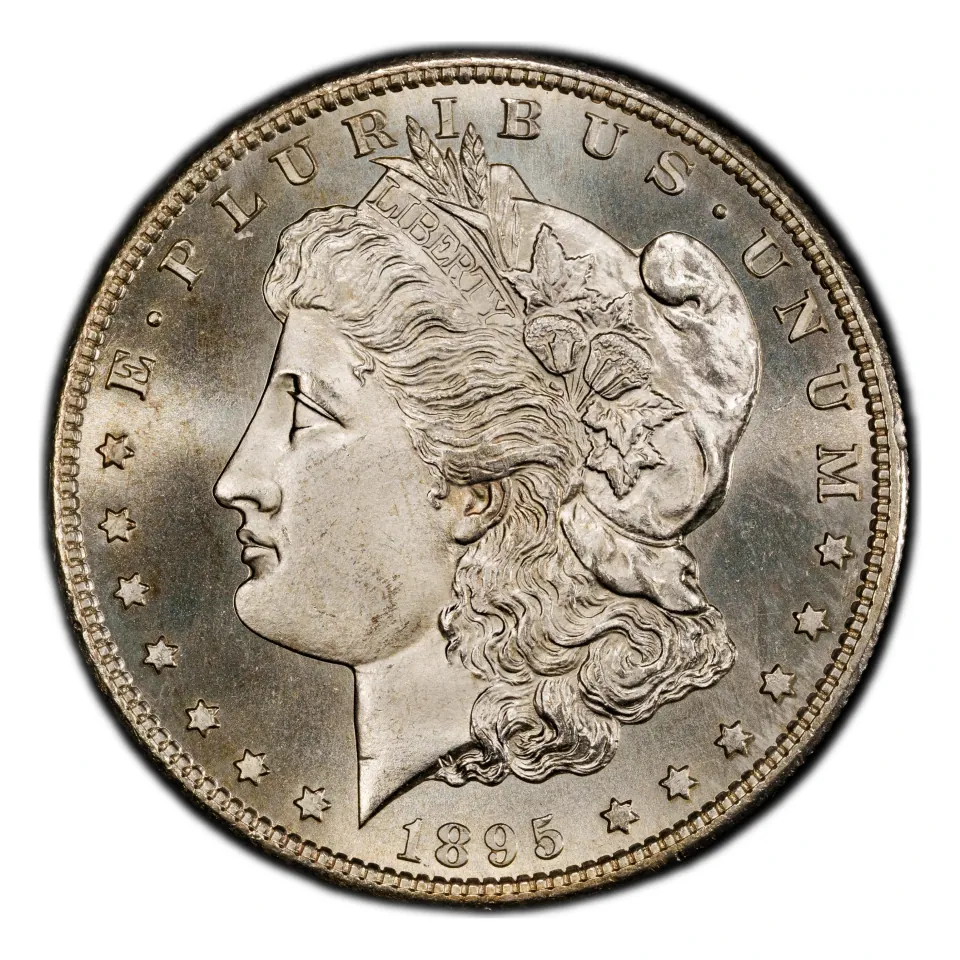
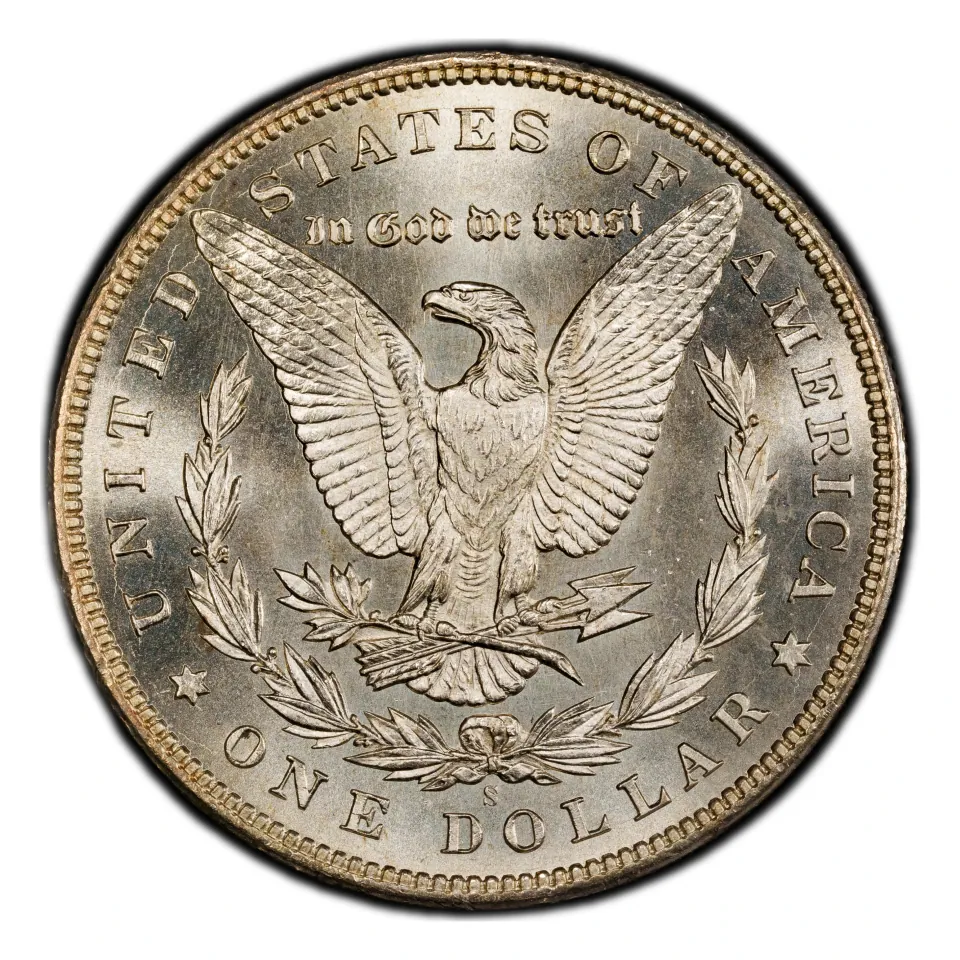
Basics & coin story
George T. Morgan’s dollar normally pairs Liberty’s portrait with an eagle and wreath. The 1895 date is a notable exception to the assumption that a blank Philadelphia mint-mark area always identifies a common circulation coin.
PCGS records 880 Philadelphia Proofs. Although historical Mint records list 12,000 circulation strikes, no confirmed ordinary Philadelphia circulation issue is established in the standard collecting comparison; worn no-mark survivors are understood as impaired or circulated Proofs. Wear does not change how a coin was originally manufactured.
The O and S issues provide another important lesson: their relative difficulty changes with grade. An O coin can be less expensive in circulated condition yet much more expensive in Mint State. The Morgan series guide supplies general design and mint context without transferring its common-date values here.
| Feature | What to check |
|---|---|
| Type / denomination | Morgan dollar / $1 |
| Designer | George T. Morgan |
| Standard alloy | 90% silver, 10% copper |
| Nominal weight / diameter | 26.73 g / 38.1 mm |
| Fine silver | Approximately 0.7734 troy ounce |
| Philadelphia | No mint mark; known collectible issue is Proof |
| Branch issues | O: New Orleans; S: San Francisco, regular strikes |
| Mint-mark location | Reverse, below the wreath and above DOLLAR |
Identification
Examine the reverse mint-mark area first
O and S appear below the wreath. An absent letter can result from poor lighting, wear, alteration or the actual Philadelphia arrangement. A face-only photograph cannot settle the question. Both sides, the mint-mark area, edge and surfaces are needed for an expensive claim.
Proof is manufacture, not simply a shiny surface
A genuine Philadelphia Proof may have wear or impaired surfaces. Conversely, a reflective O or S regular strike is not a Philadelphia Proof. The PR designation identifies a manufacturing context, while Cameo and Deep Cameo are additional contrast categories.
Do not equate the three photographed coins
The first pair illustrates Philadelphia Proof design, followed by O and S examples. They show mint and finish context rather than three coins assigned one common grade. Exact authentication and the condition of a coin in hand remain separate questions.
Condition & value
Amounts are in U.S. dollars. PCGS retail-guide examples were checked October 26, 2026 and apply only to the stated issue, grade and designation. They are not guaranteed purchase offers; current market conditions and selling costs can change the amount received.
| Issue | Grade / condition | Value or reference | Basis | Important condition |
|---|---|---|---|---|
| 1895 Philadelphia, non-Cameo Proof | PR63 | $85,000 | PCGS retail guide | Authenticated Proof only |
| 1895-O, ordinary regular | VF20 | $500 | PCGS retail guide | Circulated, non-PL |
| 1895-S, ordinary regular | VF20 | $1,000 | PCGS retail guide | Same circulated grade |
| 1895-O, ordinary regular | MS63 | $51,500 | PCGS retail guide | Uncirculated, non-PL |
| 1895-S, ordinary regular | MS63 | $9,500 | PCGS retail guide | Same Mint State grade |
The O-to-S comparison reverses between VF20 and MS63 in these references. That is why original mintage or a broad claim that one mint is always more valuable cannot replace grade-specific evidence. Do not average the entries into a generic 1895 price.
Authentication should precede a major purchase or sale. Altered dates, removed mint marks, counterfeits and surface problems can make an ordinary guide figure inapplicable. Compare completed transactions with the same mint, manufacture, grade and contrast designation, and use a specialist for a purported Philadelphia Proof. The appraisal guide explains valuation evidence and net offers.
Summary
Read the mint mark, establish manufacture and authenticate the coin before pricing it. Philadelphia Proof, O and S are distinct 1895 issues; their prices cannot be combined into one general range.
FAQ
Is an 1895 Morgan dollar with no mint mark valuable?
A genuine 1895 Philadelphia Proof is scarce and valuable, but the missing letter alone does not authenticate it. Alteration, wear and unclear photographs must be considered.
Are 1895-O and 1895-S dollars Proofs?
The ordinary O and S issues discussed here are regular strikes, separate from the Philadelphia Proof entry.
Can a worn 1895 no-mark dollar still be a Proof?
A Proof can acquire wear or impaired surfaces. Proof describes original manufacture, not the absence of later wear.
Is 1895-O always cheaper than 1895-S?
No. In the October 26, 2026 PCGS references, O is lower at VF20 but substantially higher at MS63. Compare the same grade and designation.
References
References and further reading
- PCGS CoinFacts: exact issue, specifications and available guide evidence
- PCGS: 1895-O ordinary issue
- PCGS: 1895-S ordinary issue
Sources and quoted guide evidence checked October 26, 2026. Guide estimates, historical sales, face value and metal-content calculations are identified separately.