

 App Store

COIN VALUE GUIDES · DOLLARS
William Henry Harrison Dollar Coin Value:1841 Inscription, 2009 Issue
Find what the 1841 William Henry Harrison dollar coin is worth, where the edge says 2009, and how to distinguish P, D, S Proofs and an edge-lettering error.
 HeriBase Editorial TeamUpdated
In this article
Quick answer
A William Henry Harrison dollar with 1841 on the portrait side is a 2009 Presidential $1 coin. The 1841 inscription records the year he served as president. The issue date and mint mark are on the edge. An ordinary worn P or D coin is generally worth $1.
The PCGS guide lists $7 in Mint State 65 (MS65) for standard Philadelphia and Denver issues in both edge orientations. An S Proof or authenticated missing edge lettering uses a separate comparison.
Coin photos
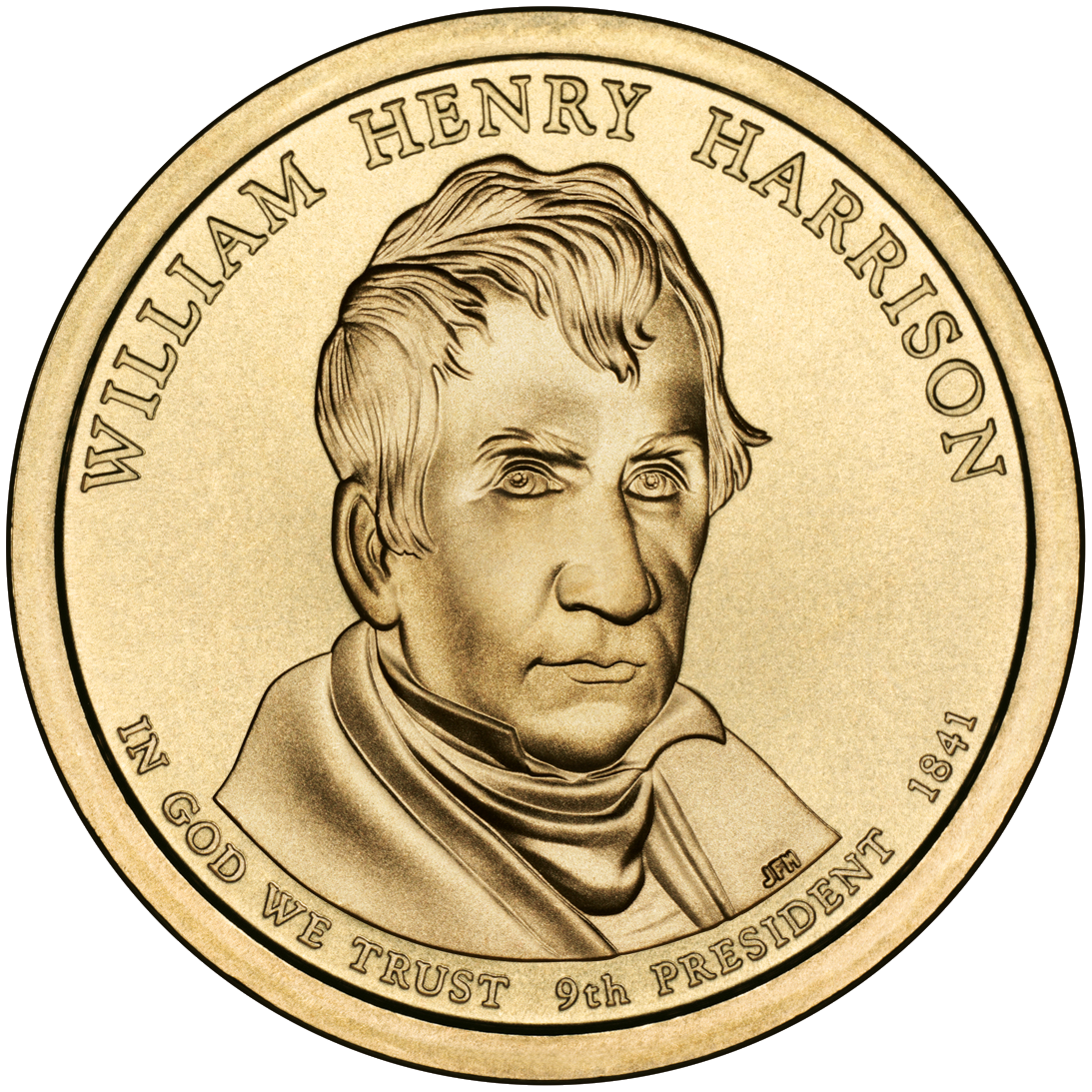
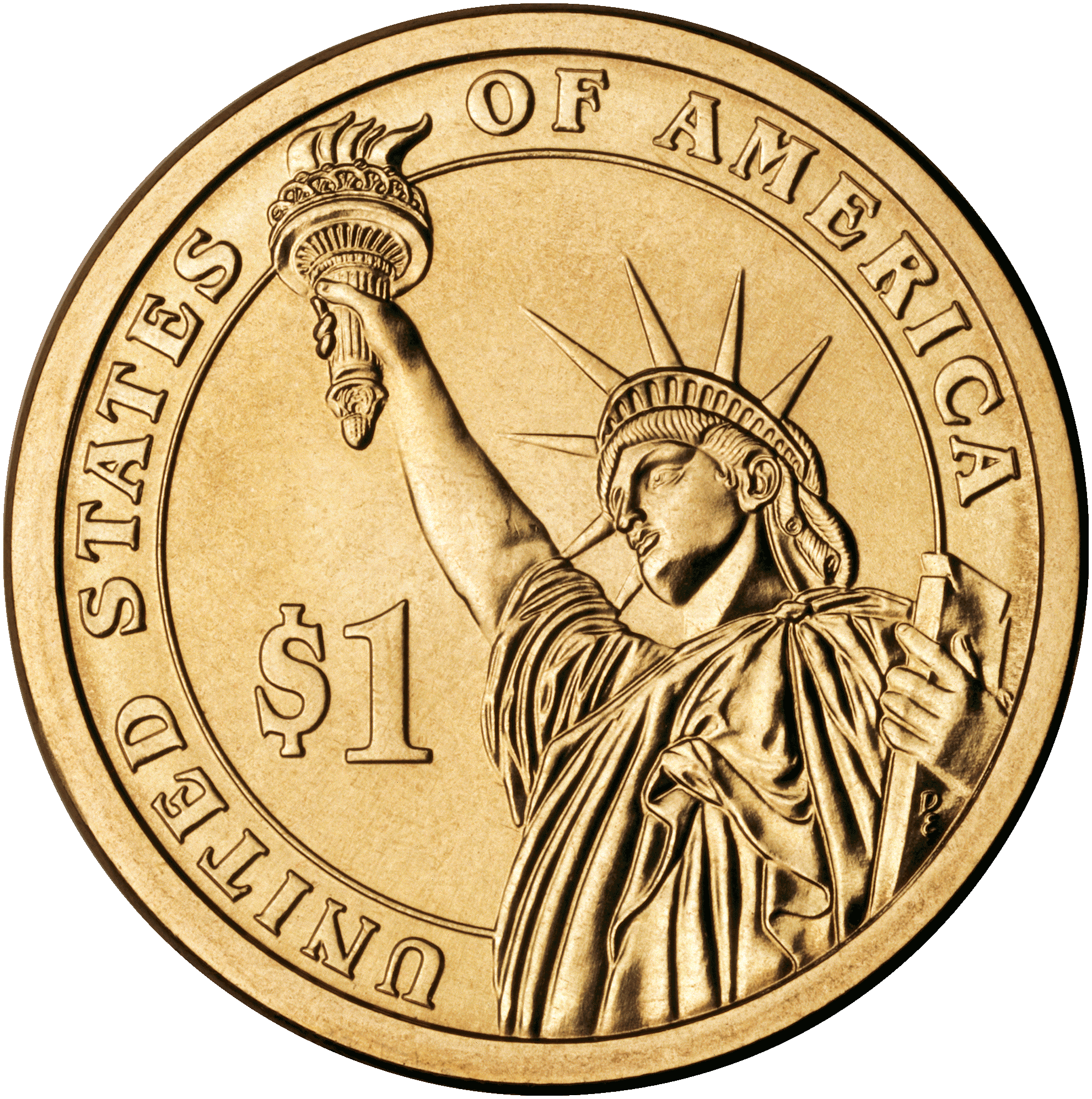
2007 Presidential $1 Coin image from the United States Mint (shared reverse design). Harrison portrait image from the United States Mint.
Basics & coin story
The U.S. Mint released this dollar into circulation on February 19, 2009, as the ninth design of the Presidential $1 series. Joseph Menna designed Harrison’s portrait, and Don Everhart designed the Statue of Liberty reverse. From the Harrison issue onward, IN GOD WE TRUST appears on the obverse.
For other presidents and edge inscriptions, see the Presidential dollar series guide. An actual dollar struck in 1841 belongs to the Seated Liberty dollar series.
| Feature | What to check |
|---|---|
| Date on obverse | 1841, year of Harrison’s presidency |
| Actual issue date | 2009, on the edge |
| Denomination / mass | $1 / 8.10 g nominal |
| Regular strike mint marks | P or D on the edge |
| Collector strike | S Proof |
| Alloy | Manganese-brass outer layers over a copper core |
Identification
Roll the edge to read 2009 and the mint
Hold the coin over a soft surface and rotate it under a light. Look for 2009, P or D and E PLURIBUS UNUM. On a collector Proof, check for the S and compare the finish with other attributed Proofs.
Separate orientation from missing lettering
Regular-strike edge lettering can appear in either orientation with the obverse up. That is expected. A missing-lettering claim requires an uninterrupted view of the entire edge and evidence against smoothing or wear.
Use the right dollar series for pricing
A gold-colored Presidential dollar uses a copper-based clad alloy. The color and 1841 inscription do not identify a nineteenth-century silver or gold issue.
Condition & value
Amounts are in U.S. dollars. Retail guide values are estimates for the stated grade, mint and designation. A dated sale is a record of one coin. Neither is a guaranteed purchase offer.
| Issue | Grade / condition | Value or reference | Basis | Important condition |
|---|---|---|---|---|
| 2009-P / 2009-D | Ordinary circulated | $1 | Face value | Common regular strike |
| 2009-P / 2009-D | MS65 | $7 each | PCGS Price Guide, checked Nov. 24, 2026 | Positions A and B in the grade guide |
| 2009-S | Proof | Match PR grade and contrast | Separate strike | San Francisco collector issue |
| Missing edge lettering | Attributed mint error | Compare authenticated sales | Separate attribution | Inspect the full edge |
Summary
Read the edge for the actual date and mint. Use a standard 2009 Presidential dollar reference unless the coin is verified as a Proof or mint error.
Frequently asked questions
What does 1841 mean on the Harrison dollar?
It is the year William Henry Harrison served as president. The coin’s mint date is 2009 on the edge.
Is the William Henry Harrison dollar real gold?
The standard circulating coin uses a copper core and manganese-brass outer layers.
Is upside-down lettering a rare error?
Regular-strike coins can have either orientation. An upside-down inscription relative to the portrait is normal.
What if I cannot find a date anywhere?
Inspect the full edge under soft light. If it shows no inscriptions, compare with authenticated missing-edge-lettering examples and rule out wear or alteration.