

 App Store

COIN VALUE GUIDES · DOLLARS
Thomas Jefferson Dollar Coin Value:1801–1809 and the 2007 Edge
Identify the 2007 Thomas Jefferson Presidential dollar, read the date and mint on the edge, and distinguish ordinary orientation from an edge-lettering error.
 HeriBase Editorial TeamPublished
In this article
Quick answer
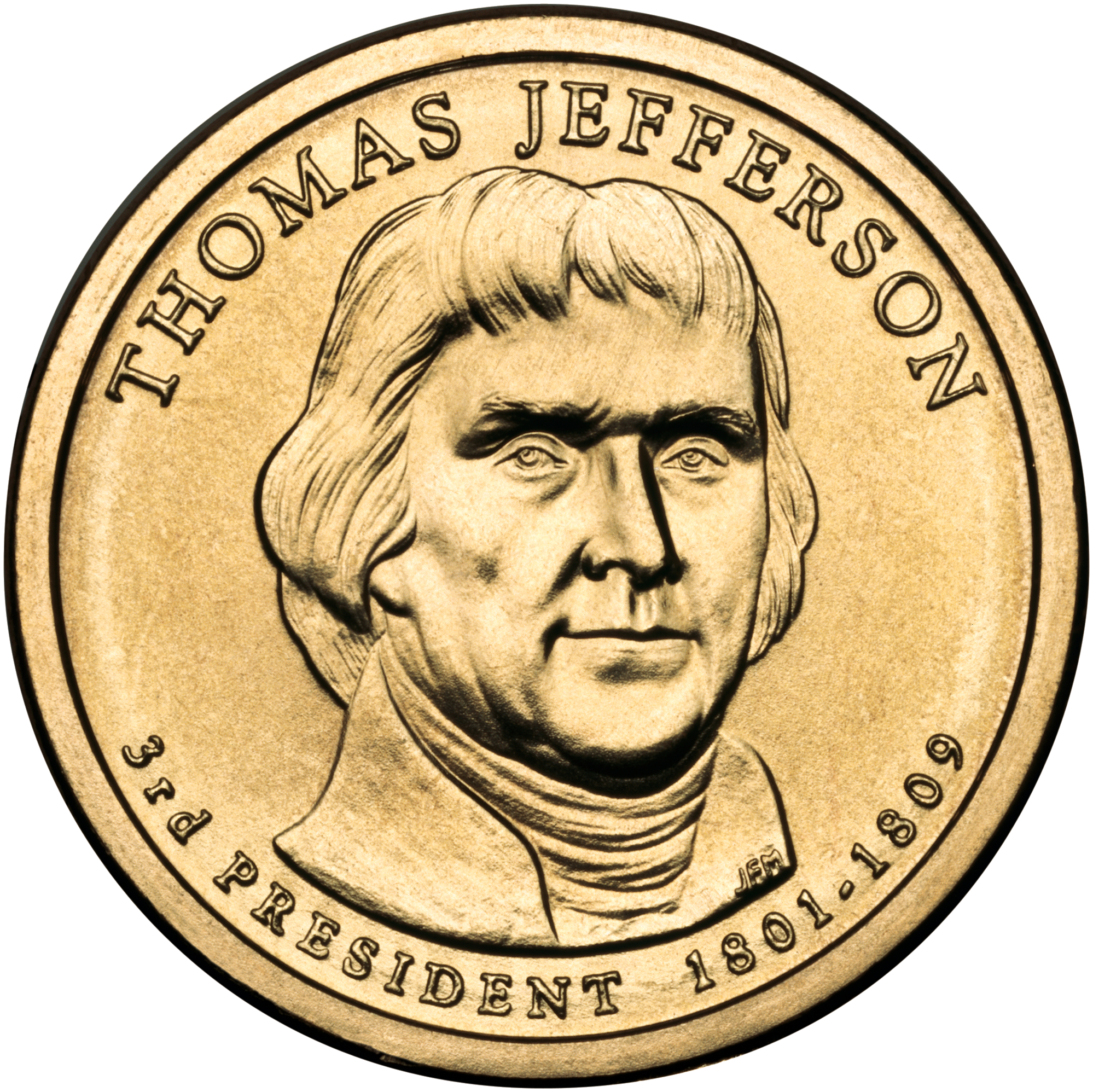
A worn ordinary Thomas Jefferson Presidential dollar is generally worth $1. The dates 1801–1809 on the portrait are Jefferson’s term in office. The issue date is 2007 and appears on the edge with P, D or S.
Both edge-lettering orientations are normal for circulation strikes. A completely missing or genuinely doubled inscription can be a collectible error after authentication. San Francisco S Proofs trade by grade and surface contrast.
Coin photos
Basics & coin story
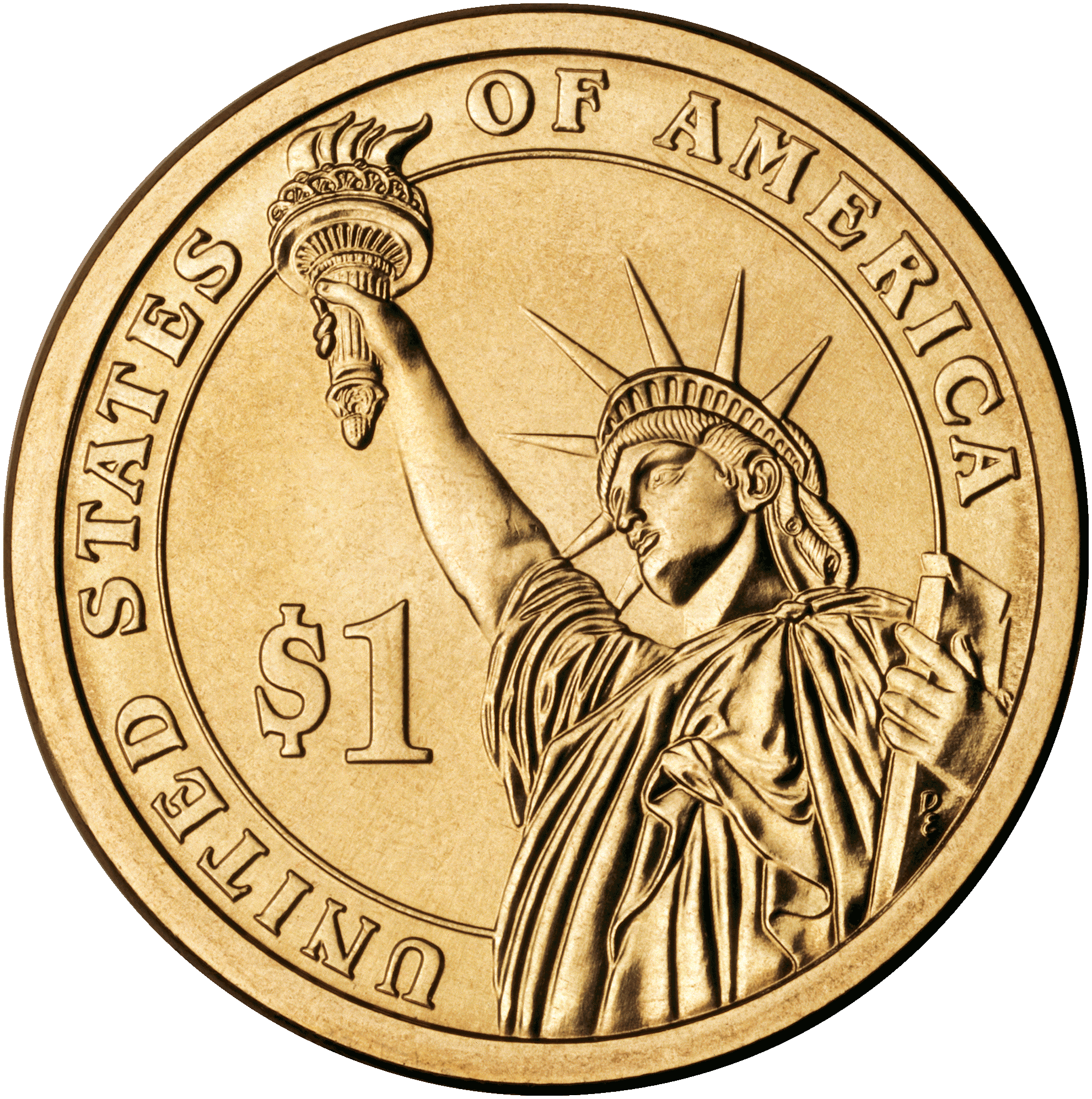
Jefferson was the third president and the subject of the third Presidential dollar design, released in 2007. Joseph Menna designed the portrait, and Don Everhart designed the Statue of Liberty reverse used across the series.
The early program moved the issue date, mint mark and mottos onto the edge. The circulation-strike lettering is applied in a separate production step, so which side faces up when the lettering reads upright can vary. See the Presidential dollar series guide for related issues.
| Feature | What to check |
|---|---|
| Issue date | 2007, on the edge |
| Portrait dates | 1801–1809, Jefferson’s presidential term |
| Regular mints / Proof | Philadelphia P and Denver D / San Francisco S |
| Nominal mass and diameter | 8.10 g and 26.50 mm |
| Alloy | Manganese-brass clad over a copper core |
Identification
Rotate the coin to read the entire edge
Hold the coin by the faces over a soft surface and turn it slowly under a light. Look for 2007, the mint letter, E PLURIBUS UNUM and IN GOD WE TRUST. Check more than one segment before concluding that words are missing.
Distinguish orientation from an addition or omission
Rotate the coin and record which portrait orientation makes the letters readable. Both orientations can occur on the normal strike. For apparent doubling, look for a complete repeated sequence or overlap. An isolated dent or flattened letter is weaker evidence.
Compare the edge finish and surfaces
A smooth edge warrants a closer look for machining, abrasion or plating. Photograph the full circumference and record the mass. Compare a Proof separately using its S, surfaces and their contrast. A gold-colored finish is normal for the alloy.
Condition & value
Amounts are in U.S. dollars. Retail guide values are estimates for the stated grade, mint and designation. A dated sale is a record of one coin. Neither is a guaranteed purchase offer.
| Issue | Grade / condition | Value or reference | Basis | Important condition |
|---|---|---|---|---|
| 2007-P or D | Ordinary circulated | $1 | Face value | Orientation alone is normal |
| 2007-P or D | Mint State | Compare same grade and catalog orientation | PCGS grade guide | Regular strike only |
| 2007-S | Proof | Compare PR grade and cameo | Proof market | Normal S is part of the edge lettering |
| Missing edge lettering | Authenticated | Compare same strike type and grade | Recorded sales | Separate business strike and Satin Finish |
Summary
Read the whole edge before valuing a Jefferson dollar. Start at face value for a normal circulated strike, and verify a missing or doubled inscription before comparing error prices.
Frequently asked questions
Is the Thomas Jefferson dollar from 1801?
No. The 1801–1809 inscription marks the presidential term. The modern coin was issued in 2007.
Is the Thomas Jefferson dollar made of gold?
The ordinary golden-colored coin uses manganese-brass clad over copper.
Where is the mint mark?
The P, D or S appears on the edge next to the year.
Is upside-down edge lettering an error?
Both orientations occur on normal circulation strikes.
What if the edge is completely blank?
Preserve the coin, document the full edge and have the piece checked for a mint omission or later alteration.