Why Liberty returns to the dime
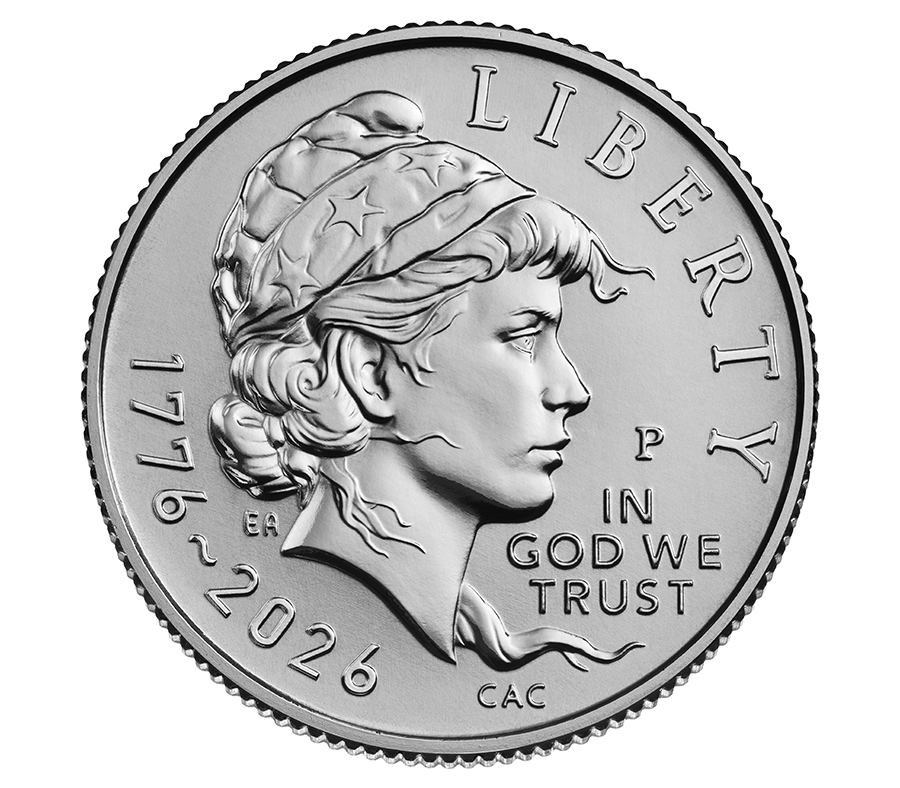
The dime has carried Roosevelt since 1946. Before that, the 1916–1945 Winged Liberty design became popularly known as the Mercury dime. The 2026 portrait returns to the personification of Liberty, but it is a new design rather than a reissue of the Mercury coin. The Mint describes Roosevelt’s return as planned for 2027.
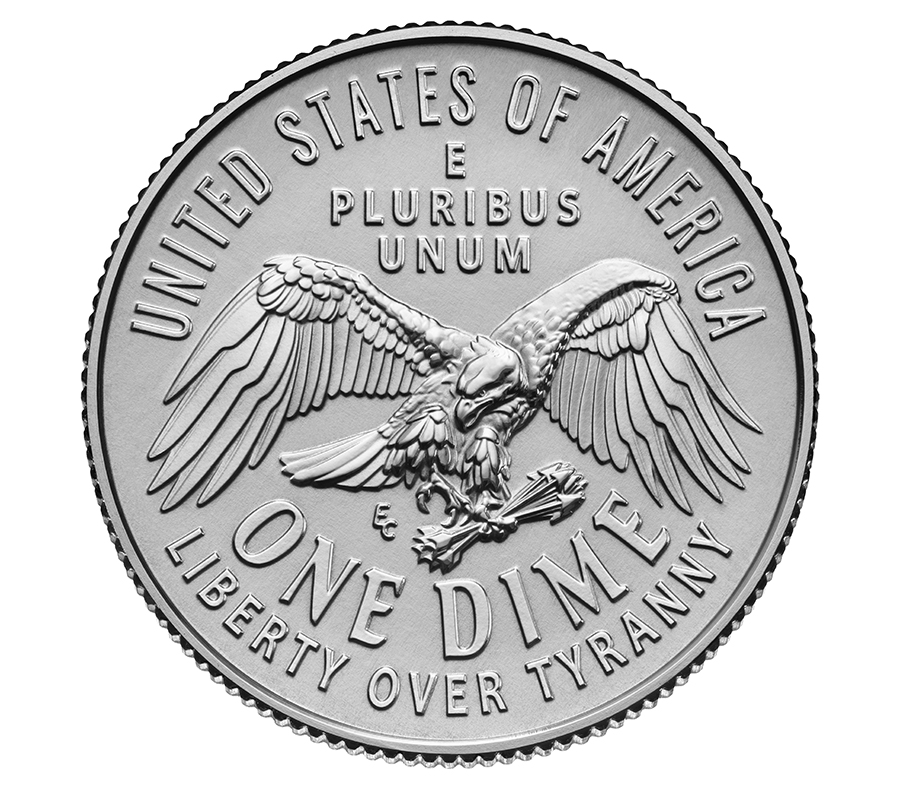
Windblown hair and an anniversary date make the obverse noticeably different from the familiar portrait. The reverse replaces the torch-and-branches arrangement with an eagle in flight. Reading the denomination matters: ONE DIME still means ten cents even though both major designs have changed.
The wider program also includes five anniversary quarters. Their five themes should not be confused with five different dime reverses.
When was the 2026 dime released?
The Mint began shipping the anniversary dime for circulation on January 5, 2026. Its rolls-and-bags collector offering followed on April 17. These are different distribution channels: a bank receipt date can be later, and a Mint order is a retail product rather than a guarantee of what local banks hold.
The June 30 Uncirculated Coin Set contains Philadelphia and Denver dimes alongside the other denominations. Proof and Silver Proof sets provide specially made S-mint coins. A collector-set date should not be described as the first date the design entered circulation.
2026 dime value: compare the exact version
Value framework reviewed October 16, 2026| Coin | Useful starting comparison |
|---|
| Ordinary worn P / D | 10-cent face value; an anniversary date alone establishes no premium. |
|---|
| Uncirculated P / D | Recent sold coins with comparable surfaces; do not assume a numerical grade from shine. |
|---|
| S clad Proof | Clad Proof sales in the same grade, including whether the coin is raw or certified. |
|---|
| S silver Proof | Silver Proof sales in the same grade; the Mint specifies 99.9% silver for this version. |
|---|
This guide does not establish a verified current sale range for collector versions. Avoid transferring a whole-set price or a single exceptional auction result to every dime. For certified examples, match the grading service, numerical grade and attribution; the grading guide explains those labels.
What about 2026 dime errors?
The unfamiliar eagle, arrows and dual date are normal design features. A claim of an error needs a specific repeatable feature or an identified striking problem. Photograph both full faces and the detail before comparing an unusual mark. A scratch, stain or blurred photograph is not enough to establish a valuable error.
Do not polish the surface to make the detail clearer. Use even light and preserve the original coin. The cleaning-sign guide and appraisal guide explain when closer examination is useful.


 App Store