

 App Store

COIN VALUE GUIDES · PENNIES
2001 Penny Value:No Mint Mark, Denver and Wide AM Checks
Identify an ordinary 2001 Lincoln cent, compare D and S issues, and check the AM gap before applying prices for a different year.
 HeriBase Editorial TeamPublished
In this article
Quick answer
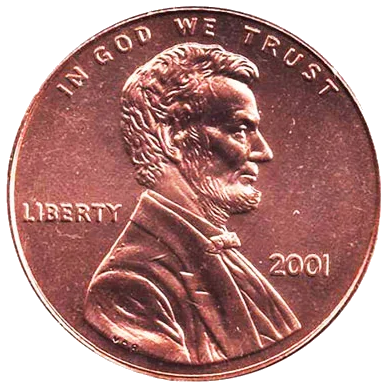
A normal circulated 2001 penny without a mint mark is generally worth one cent. Philadelphia left the field blank, Denver used D and the San Francisco collector Proof used S.
The standard cent is copper-plated zinc and nominally weighs 2.50 g. A close AM is normal on the regular 2001 cent. Published prices for the 1998–2000 Wide AM circulation varieties do not establish a premium for a 2001 coin.
Coin photos
Basics & coin story
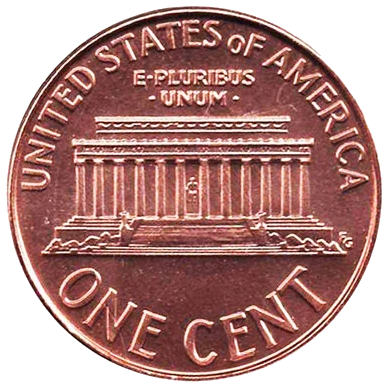
The Lincoln Memorial reverse stayed on the circulating cent through 2008. By 2001, the copper-colored exterior was a thin plating over zinc. Damage can expose the brighter core or allow corrosion under the plating, producing bumps or unusual spots.
Collectors compare small lettering differences on some late Memorial cents. The year, mint, strike type and reverse die style must agree with the attribution. The Lincoln Memorial cent guide provides series context.
| Feature | What to check |
|---|---|
| Philadelphia / Denver | Blank or D below the date |
| Collector strike | San Francisco S Proof |
| Nominal mass | 2.50 g |
| Metal / reverse | Copper-plated zinc / Lincoln Memorial |
Identification
Confirm the mint and strike type
Read the field below 2001 under angled light. A blank field is routine. Separate coins with an S and Proof surfaces before using circulation-strike price information.
Compare AM and the nearby designer initials
Inspect the base of the A and M in AMERICA and compare the designer initials near the right side of the Memorial against a documented reverse. Use the complete reverse rather than a single cropped gap. Wear, damage and image sharpening can change the apparent spacing.
Distinguish plating failures from identifiable die varieties
A swelling or gray spot can reflect plating damage or corrosion, particularly around the edge. Compare the weight and whole surface with a typical zinc cent before assuming an unusual planchet. No premium follows from an isolated bubble alone.
Condition & value
Amounts are in U.S. dollars. Retail guide values are estimates for the stated grade, mint and designation. A dated sale is a record of one coin. Neither is a guaranteed purchase offer.
| Issue | Grade / condition | Value or reference | Basis | Important condition |
|---|---|---|---|---|
| 2001 no mint mark or D | Ordinary circulated | $0.01 | Face value | Standard plated zinc cent |
| 2001 no mint mark or D | Mint State | Compare grade and original color | Grade guide | Proof figures do not apply |
| 2001-S | Proof | Compare PR grade and contrast | Proof market | Separate strike type |
| Alleged Wide AM | Unverified | Attribution first | Diagnostic comparison | Do not borrow prices from 1998–2000 varieties |
Summary
Check the date and mint before checking the AM. Compare regular coins by original grade, and match any proposed variety to a cataloged reverse for the exact issue.
Frequently asked questions
What is a 2001 penny with no mint mark worth?
An ordinary circulated example is generally worth one cent. The blank field is normal for Philadelphia.
How much does a 2001 penny weigh?
A standard copper-plated zinc 2001 cent nominally weighs 2.50 grams.
Is a close AM rare on a 2001 penny?
The close AM is normal for a 2001 regular strike.
Is a gray spot evidence of a rare metal?
Plating damage can expose the zinc core. Check weight and edge before suspecting an unusual planchet.
Where is the D on a 2001-D penny?
It sits directly below the date on the obverse.