

 App Store

COIN ERRORS & VARIETIES
2000-P Sacagawea Dollar Mule: The Washington Quarter Obverse
Identify the authentic 2000-P Washington quarter and Sacagawea dollar mule and distinguish it from Wounded Eagle, Cheerios and altered coins.
 HeriBase Editorial TeamPublished
In this article
Quick answer
The 2000-P mule combines a Washington state-quarter obverse with a Sacagawea dollar eagle reverse on a golden dollar planchet. Look for Washington and the quarter obverse inscriptions on one side, then confirm the eagle and ONE DOLLAR on the other.
Cheerios and Wounded Eagle both retain the regular Sacagawea portrait. Check the full design pairing and the edge before comparing a suspected mule to certified examples.
Specimen photos
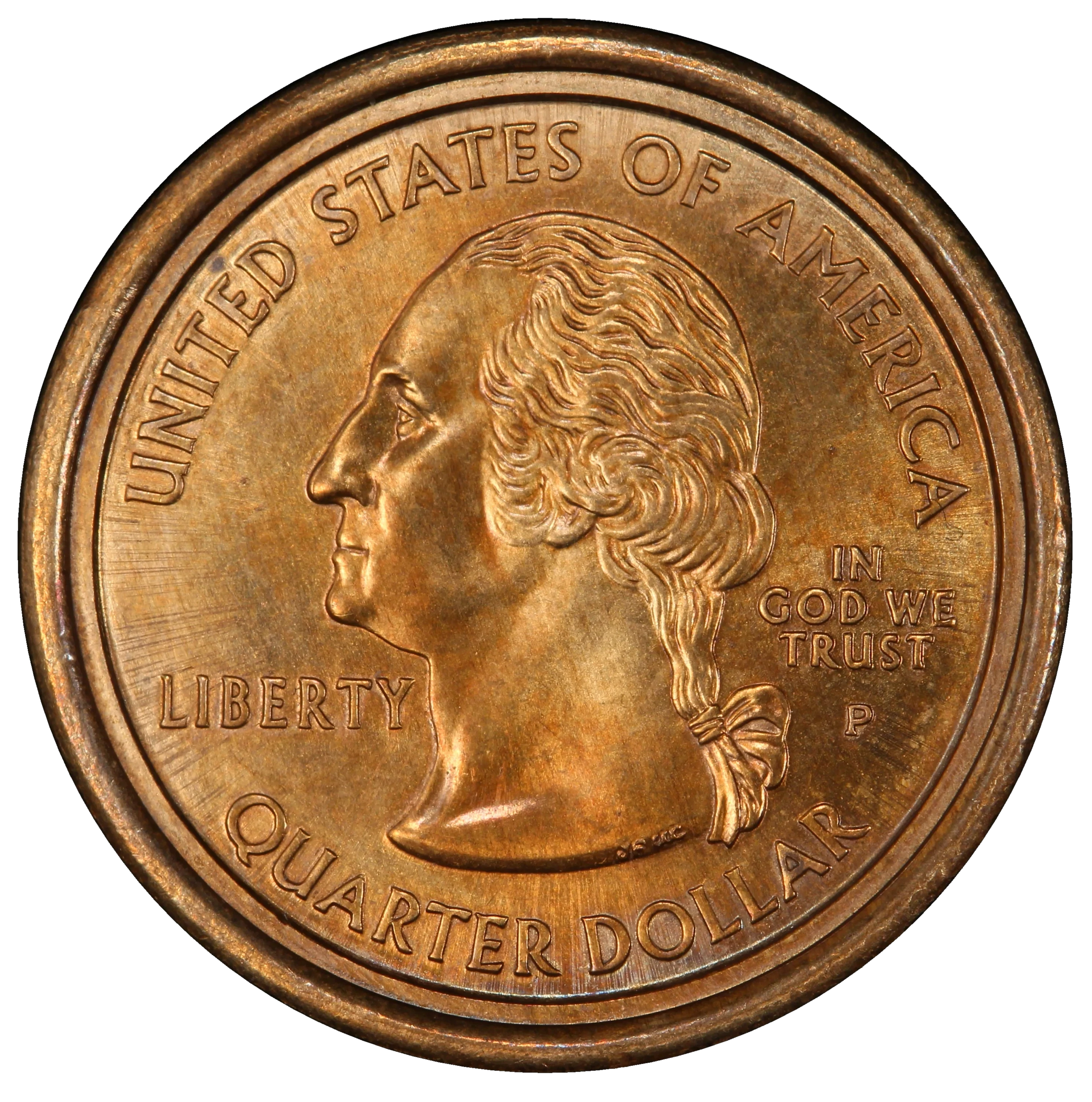
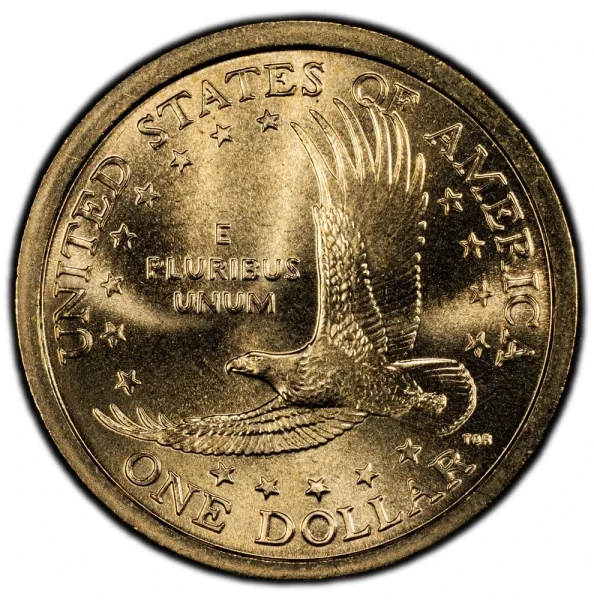
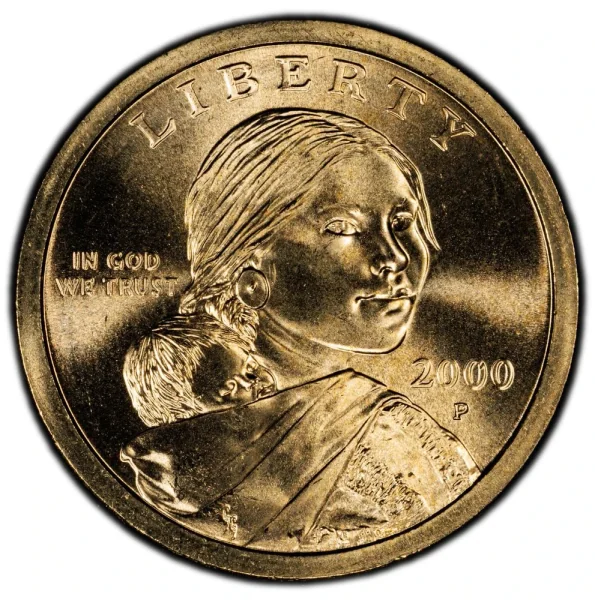
Variety and error comparison
A mule pairs dies intended for different coins. This pairing brings together the quarter obverse and the reverse of the inaugural Sacagawea golden dollar. The obverse design and dollar reverse supply more informative evidence than color.
The dollar planchet is wider than the quarter planchet. Inspect the full rim and compare both inscriptions in context. Altered pieces can involve joined faces, plated coins or a misleading photograph of two different coins.
| Case | Obverse | Reverse | Check | Next step |
|---|---|---|---|---|
| 2000-P quarter-dollar mule | Washington quarter design | Sacagawea eagle and ONE DOLLAR | Verify both faces and the edge | Measure the golden dollar planchet |
| Ordinary Sacagawea | Sacagawea portrait | Ordinary eagle | Confirm date and mint | Match a documented regular example |
| Cheerios | Sacagawea portrait | Attributed tail-feather detail | Compare actual reverse die | Inspect the feather detail |
| Wounded Eagle | Sacagawea portrait | Raised die features on eagle | Check location and relief | Check the raised marks across the eagle |
Three identification checks
Read both faces
Start with the portraits and denomination inscriptions. Washington and the eagle dollar reverse make the diagnostic pair.
Photograph the edge and measure
Check diameter and mass against a known golden dollar. Look for seams, tooling and changes in color around the edge.
Document the specimen
Keep the photos and any data on how it was acquired. A possible match warrants authentication before pricing it.
Documented cases and value
PCGS reported that GreatCollections sold a certified MS66 mule for $194,000 in 2024. It represents one certified specimen, not a general price for golden dollars. Compare the separate Cheerios and Wounded Eagle guide for the ordinary portrait paired with a distinctive eagle reverse.
Summary
Verify Washington, the dollar eagle reverse and the dollar-sized planchet together. Use certified photographs and an edge inspection to screen altered pieces.
Frequently asked questions
Why is it called a mule?
The two dies were intended for different denominations and were used together on the same planchet.
Does a gold-colored Washington quarter qualify?
Color alone is insufficient. Confirm the Sacagawea eagle and ONE DOLLAR on the opposite face and check the planchet.
Is Wounded Eagle another name for the mule?
Wounded Eagle is a reverse die variety with the regular Sacagawea portrait.
Can I price a possible mule from one photo?
Document both faces, dimensions and edge, then seek authentication before using a certified sale as a comparable.