

 App Store

COIN VALUE GUIDES · PENNIES
1981 Penny Value:No Mint Mark, 1981-D and S Proof Types
Check what a 1981 Lincoln penny is worth, why Philadelphia has no mint mark, and where to look for the 1981-S Type 1 or Type 2 Proof detail.
 HeriBase Editorial TeamPublished
In this article
Quick answer
A normal worn 1981 penny with no mint mark or with D is generally worth one cent. The blank field under the date identifies Philadelphia. Standard 1981 cents are bronze, nominally 3.11 g.
San Francisco S Proofs are collector coins. Type 1 and Type 2 refer to the shape of the S on those Proofs. Match the shape against a reference and compare the same Proof grade and contrast.
Coin photos
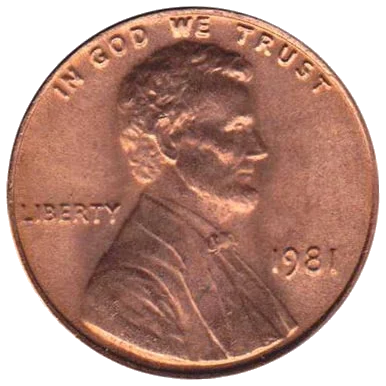
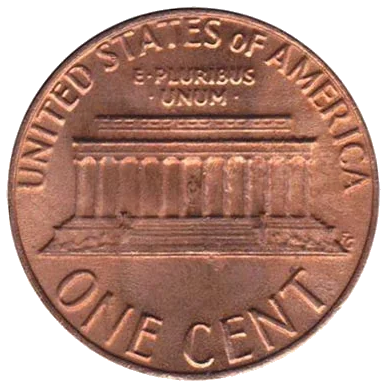
Basics & coin story
The 1981 cent kept the Lincoln Memorial reverse introduced in 1959. The copper-to-copper-plated-zinc transition started the following year. A regular 1981 coin therefore belongs with the earlier bronze cents even if two coins look similar.
San Francisco changed its Proof S during 1981. PCGS notes that both styles can look clear, which makes the common “filled versus clear” shortcut unreliable for this year. Match the actual form of the letter. Compare the earlier year in the 1980 penny guide.
| Feature | What to check |
|---|---|
| Philadelphia | Blank under date |
| Denver | D under date |
| San Francisco | S Proof, Type 1 or Type 2 |
| Normal mass / metal | 3.11 g / 95% copper |
Identification
Check where the mint mark belongs
Read the date first, then inspect the field immediately below. A blank Philadelphia field is expected, even though some other denominations use P. A scratched or corroded area can look like a missing letter.
Rotate a Proof under diffuse light
Inspect the shape of the S on a confirmed Proof: compare the serifs, loops and overall outline against an identified Type 1 and Type 2. Dark reflections in the openings can change the apparent shape. A single blurry photograph is insufficient.
Compare original copper color with the correct grade
On regular strikes, distinguish original Red and Red-Brown from a bright cleaned surface. Color and condition drive the relevant sale comparison. Mint State refers to the absence of wear and does not simply mean a coin looks shiny.
Condition & value
Amounts are in U.S. dollars. Retail guide values are estimates for the stated grade, mint and designation. A dated sale is a record of one coin. Neither is a guaranteed purchase offer.
| Issue | Grade / condition | Value or reference | Basis | Important condition |
|---|---|---|---|---|
| 1981 Philadelphia or D | Ordinary circulated | $0.01 | Face value | Normal bronze cent |
| Philadelphia or D | Mint State | Compare exact RD, RB or BN and grade | Grade guide | Keep raw coins separate from certified grade examples |
| 1981-S Type 1 / Type 2 | Proof | Compare same type and PR grade | Proof market | Check original contrast and S shape |
Summary
Read the area under the date first. Use the regular-strike comparison for a blank or D cent, and examine the S type only on a verified San Francisco Proof.
Frequently asked questions
Is a 1981 penny without a mint mark rare?
No. Philadelphia normally left the field below the date blank.
Is a 1981 penny made of copper?
The standard 1981 cent is 95% copper and nominally weighs 3.11 g.
What is the 1981-S Type 2?
It is a variety of the San Francisco Proof identified by a different S mint-mark shape.
Is a 1981-D cent a Proof?
D is the Denver circulation issue. The normal Proof is marked S.
Is a shiny 1981 cent automatically Mint State?
No. Check high-point wear and original luster. Polished and cleaned coins can look bright.