

 App Store

COIN VALUE GUIDES · PENNIES
1951 Wheat Penny Value:No Mint Mark, 1951-D, 1951-S and D/S
Compare inexpensive 1951 wheat cents with high-grade Red 1951-D examples and verified Denver overmintmark or doubled die varieties.
 HeriBase Editorial TeamUpdated
In this article
Quick answer
A worn 1951-D wheat penny is usually a low-cost collectible. In USA Coin Book’s February 2026 numismatic table, a normal Denver cent was listed at $0.06 in F12, $0.14 in XF40 and $2.50 in MS63. The D alone does not make it scarce.
For certified original Red coins, use a color-specific guide. PCGS lists $45 for a normal 1951-D in MS66 Red on the cited certificate page, consulted November 24, 2026. A genuine 1951-D/S overmintmark or doubled die needs its own catalog and condition comparison.
Coin photos
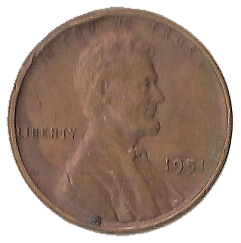
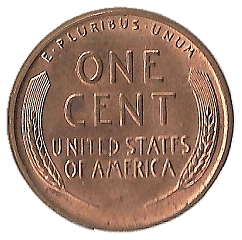
Coin photography by Monocletophat123 (CC0, the original). Cropped and resized.

Basics & coin story
Victor David Brenner’s Lincoln cent had a wheat-ear reverse until 1958. On 1951 coins the original copper alloy can turn brown through normal oxidation. Collectors distinguish Brown, Red-Brown and Red because surface color changes comparisons within the same numerical grade.
Philadelphia, Denver and San Francisco made regular wheat cents that year. Philadelphia also made Proofs. Denver’s 625,355,000 regular strikes make a standard D an accessible date-and-mint example. See the Lincoln wheat penny guide to put 1951 into the series.
| Feature | What to check |
|---|---|
| Denomination | 1 cent |
| Composition | Approximately 95% copper |
| Nominal weight / diameter | 3.11 g / 19 mm |
| Mint letter | Below the date: blank, D or S |
| 1951-D mintage | 625,355,000 regular strikes |
Identification
Identify the mark below the date
Use angled light to see the shape of the letter. D is Denver and S is San Francisco. A blank area indicates Philadelphia. Separate the mint identification from the task of identifying a tiny second impression.
Distinguish a D/S from a normal D or D/D
A D/S has a different letter punched beneath the D, while D/D is a second impression of the same letter. Compare tiny curves and direction against a certified attribution such as FS-511. Post-strike scratches or debris near the mark can mimic a second letter.
Keep copper color and grade together
Check the cheek and wheat tips for actual wear. A brown surface may be original and a bright surface can be cleaned. Use Red prices only for a piece matching the stated grade and color designation.
Condition & value
Amounts are in U.S. dollars. Retail guide values are estimates for the stated grade, mint and designation. A dated sale is a record of one coin. Neither is a guaranteed purchase offer.
| Issue | Grade / condition | Value or reference | Basis | Important condition |
|---|---|---|---|---|
| 1951-D normal | F12 / XF40 | $0.06 / $0.14 | USA Coin Book retail guide | February 2026 numismatic table |
| 1951-D normal | MS60 / MS63 | $0.74 / $2.50 | USA Coin Book retail guide | Generic mint state; do not assume original Red |
| 1951-D normal | MS66 RD | $45 | PCGS cert 83794252 guide field | Certified grade/color comparison |
| 1951-D/S FS-511 | MS65 RD | $110 | PCGS cert 26475195 guide field | Only for the specific attribution |
| Philadelphia / S / Proof | Same type and grade | Compare separate entry | Different mint or strike | Normal D prices do not transfer |
Summary
Start with the letter under the date, then match wear and original copper color. A normal 1951-D and an attributed D/S have different price comparisons, even when they look similar in a casual photo.
Frequently asked questions
Is a 1951-D wheat penny rare?
An ordinary 1951-D is common. Condition, original Red color or a confirmed die variety can create a separate comparison.
What does no mint mark mean?
A standard 1951 without a letter under the date was made in Philadelphia.
Where should I look for a D/S?
Under the date, where the D sits. Match the underlying punch markers to a documented 1951-D/S variety.
Can cleaning a brown cent make it Red?
Red describes original copper color. Cleaning may make a copper surface brighter but does not restore original color or justify an RD grade.