

 App Store

COIN ERRORS & VARIETIES
1942 Nickel Errors: The Denver D Over Horizontal D
Find the sideways D on a 1942-D Jefferson nickel and separate the repunched mint mark from wartime silver issues, wear and scratches.
 HeriBase Editorial TeamPublished
In this article
Quick answer
The 1942-D D over Horizontal D is a repunched mint mark on a Denver Jefferson nickel. Look beside Monticello for an upright D with remnants of an earlier sideways impression. The large P or S above the building identifies a different wartime issue.
Confirm the shape and position against an attributed photograph before assigning the variety. A mark from a hit or a scratch near the D can look convincing under one lighting angle.
Specimen photos
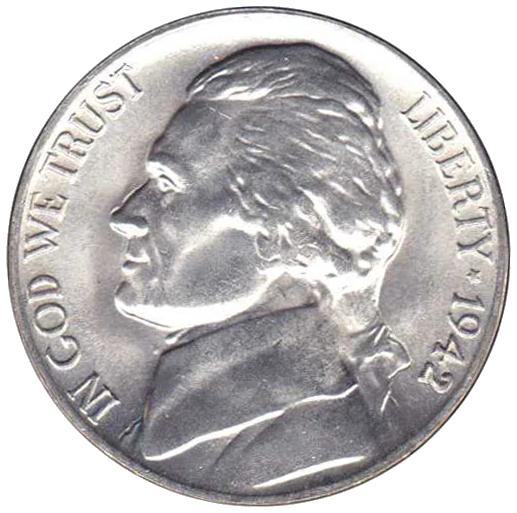
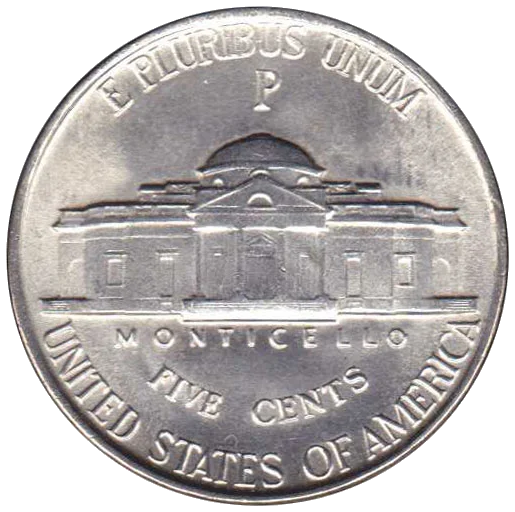
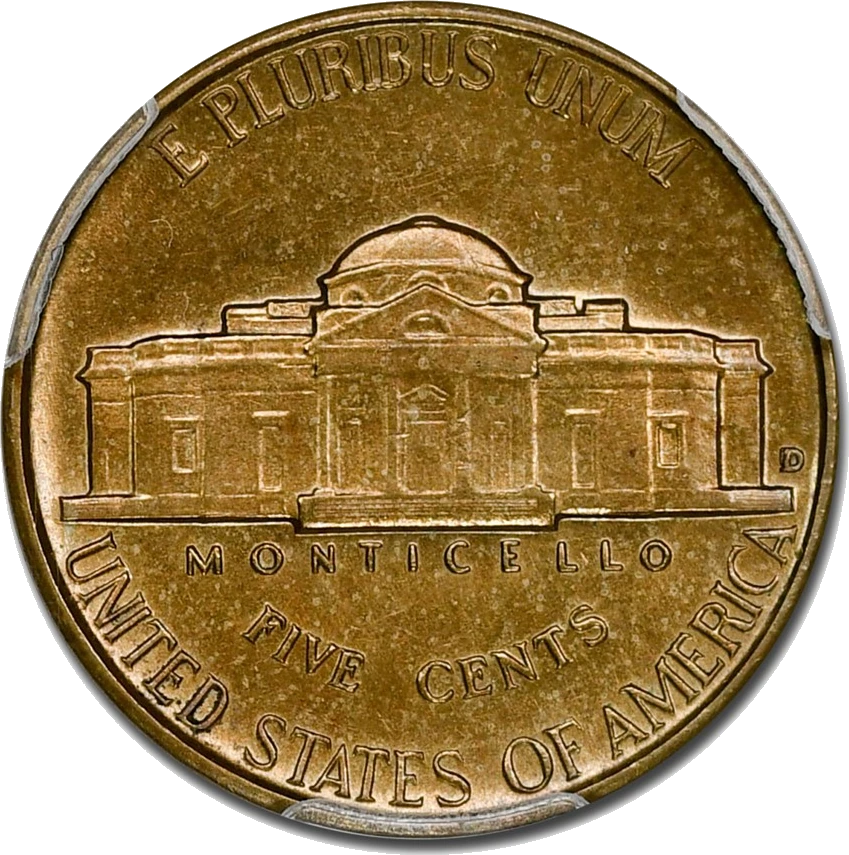
Variety and error comparison
Jefferson nickel production changed alloy during 1942. Some Philadelphia and San Francisco coins used the wartime alloy and received conspicuous mint letters over the dome. The Denver variety belongs with the small-mint-mark issues. Its shape reflects the separate operation of punching mint letters into a working die.
A repunch can produce matching relief on many coins from the same die. A scratch changes the surface of one coin. Look at the added shape and compare several points, including where the remnants enter and leave the main letter.
| Issue | Mint-mark position | What to look for | Check | Next step |
|---|---|---|---|---|
| 1942-D Horizontal D | Beside Monticello | Remnants of a sideways punch | Match the attributed pattern | Check upright and sideways punch relief |
| Ordinary 1942-D | Beside Monticello | Upright D | Compare the area around the letter | Compare a documented plain D |
| Wartime silver P or S | Above Monticello | Large mint letter | Separate alloy and issue | The large P or S is a different issue |
| Damage near D | Varies | Cut, flattened edge or displaced metal | Tilt the coin and follow the surface | Inspect for an incuse groove |
Three identification checks
Check the reverse first
Look to the right of Monticello. A wartime mint letter belongs above the dome, so it takes you to a separate identification path.
Inspect the letter under more than one light angle
A low light makes relief easier to see. Look for the same surviving portions of the first punch as in a certified specimen.
Compare the exact die and grade
Use equally sharp photographs and convert the date, location and attribution into a consistent record before researching sales.
Documented cases and value
Use the 1942 nickel value guide for ordinary issues. For this variety, use a sale marked D over Horizontal D and match grade and surface condition. Registry and catalog listings below let you compare the attribution across more than one grade.
Summary
Read the mint-mark position, confirm Denver, then look for the same sideways letter remnants on a documented 1942-D. Keep wartime silver and repunched-mint-mark comparisons separate.
Frequently asked questions
Where is the D on a 1942 Denver nickel?
Look immediately to the right of Monticello on the reverse.
Is the horizontal-D variety a silver wartime nickel?
The variety belongs to the Denver 1942 issue with the small D by Monticello. Wartime silver issues use the large mint mark above the building.
Is every extra line next to D a repunch?
A valid attribution requires the extra relief to match the known earlier punch in shape and location.
Can I use a value for an ordinary 1942-D?
Use ordinary values as a baseline and certified Horizontal D sales for a variety comparison.