

 App Store

COIN VALUE GUIDES · PENNIES
1940 Wheat Penny Value:No Mint Mark, D, S and Condition Premiums
Compare 1940 wheat penny mint marks and Red Mint State guide prices, with practical checks for color, wear and common misconceptions.
 HeriBase TeamPublished
In this article
How much is a 1940 wheat penny worth?
A worn 1940 wheat penny is normally an inexpensive common-date collectible. No mint mark, D and S are all regular issues; age and a missing letter do not establish rarity. In the PCGS guide checked October 20, 2026, Red MS65 coins are $24 for Philadelphia, $28 for Denver and $24 for San Francisco.
Color and grade explain the larger prices. The same guide lists MS67 RD at $200, $160 and $160 respectively. These are estimates for problem-free uncirculated Red coins, not worn brown examples. Proofs and specifically attributed varieties require their own comparisons.
1940 wheat penny: both sides
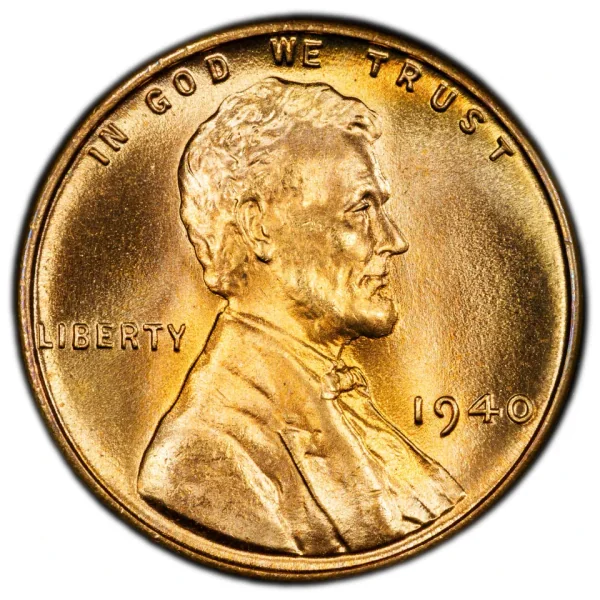
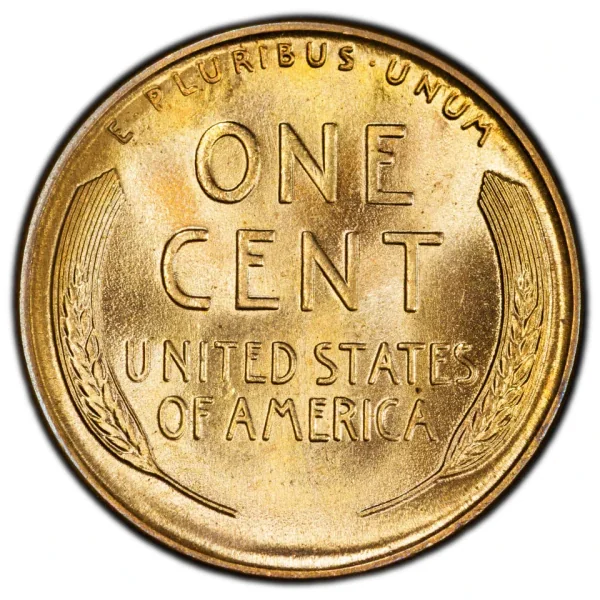
A prewar copper cent with a durable design
| Feature | What to check |
|---|---|
| Design | Victor D. Brenner: Lincoln portrait and wheat ears |
| Normal standard | 3.11 g; 19 mm; plain edge |
| Alloy | Approximately 95% copper; not a silver coin |
| Regular mints | Philadelphia (no mark), Denver (D), San Francisco (S) |
The 1940 penny belongs to the wheat-reverse Lincoln series introduced in 1909. It predates the 1943 wartime switch to steel, so copper is the expected material. The familiar portrait and two wheat ears let collectors assemble a date-and-mint run across major historical changes without mistaking every change in metal or finish for an error.
| Mint | Coins struck |
|---|---|
| Philadelphia | 586,810,000 |
| Denver | 81,390,000 |
| San Francisco | 112,940,000 |
Mintage counts production, not the number surviving in each grade. A large issue can still be difficult in exceptional condition; a smaller issue is not automatically expensive when worn.
Identify the mint and separate exceptional claims
No mint mark is a normal issue
Philadelphia used no mint letter on the regular 1940 cent. D and S appear below the date on branch-mint coins. Neither mark identifies a rare variety by itself; use the complete date-and-mint combination.
Separate a Proof from a bright regular strike
Philadelphia also made collector Proofs. A polished coin can be shiny without being a Proof, while a genuine Proof can have impaired surfaces. The regular-strike Red table does not value Proofs. Preserve any original holder and check production characteristics before choosing a reference.
The Lincoln wheat penny series guide explains the wider chronology. Compare a later copper issue in the 1945 penny guide rather than transferring its prices to this date.
1940 wheat penny value chart
PCGS retail guide estimates in US dollars, checked October 20, 2026. These are references for genuine, problem-free coins in the stated grade, not auction results or guaranteed offers. Cleaned, damaged and incorrectly graded coins need different comparisons.
RD means the Red color designation; MS means Mint State, without circulation wear. These figures apply to coins meeting both conditions. They are not prices for ordinary brown coins from change. BN (Brown) and RB (Red-Brown) have separate markets.
| Mint | MS63 RD | MS65 RD | MS66 RD | MS67 RD |
|---|---|---|---|---|
| No mark | $6 | $24 | $36 | $200 |
| D | $7 | $28 | $40 | $160 |
| S | $8 | $24 | $38 | $160 |
Preserve the surface before comparing
Do not polish a brown cent to make it look red. Original color, luster, spots, scratches and cleaning affect marketability independently of sharp detail. A raw coin is not automatically the grade shown in a seller’s description.
Use the coin grading scale to separate wear from Mint State marks. For a possible important variety, photograph the date, mint mark and both complete sides, then use the appraisal checklist before paying certification costs.
The key points before assigning a price
Identify the 1940 mint, production method, color and grade in that order. Worn regular coins are common; original surfaces and exceptional preservation can change the price. Use the Red table only for coins meeting that designation, and never polish a coin to imitate it.
Frequently asked questions
Is a 1940 penny with no mint mark an error?
No. No mark is correct for Philadelphia. A missing mint letter does not create an error premium.
Is a 1940 wheat penny copper?
The normal cent uses the 3.11 g copper-alloy standard, approximately 95% copper. It is not the zinc-coated steel type used in 1943.
Which 1940 mint is most valuable?
There is no single answer across all grades and finishes. Compare the same grade and color designation; a worn coin and an exceptional Red Mint State coin are different markets.
Should I clean my 1940 penny?
No. Cleaning can alter the surface and reduce collector appeal. Photograph and store the coin without polishing it.
References
Sources
Research checked October 20, 2026. Any price example retains its stated source date and scope.
- PCGS CoinFacts: 1940PIssue specifications, collecting history and grade-specific retail estimates.
- PCGS CoinFacts: 1940DIssue specifications, collecting history and grade-specific retail estimates.
- PCGS CoinFacts: 1940SIssue specifications, collecting history and grade-specific retail estimates.