

 App Store

COIN VALUE GUIDES · PENNIES
1934 Wheat Penny Value: Philadelphia, Denver and Doubled-Die Checks
Identify the 1934 Lincoln cent, compare grade and color values, and check mint marks and manufacture.
 HeriBase Editorial TeamPublished
In this article
Quick answer
Most circulated 1934 wheat pennies are common, but the D mint mark changes the relevant price line. Separate strike quality, actual wear and copper color before using a high-grade figure. A genuine doubled die needs a matched attribution, not just an unusual-looking date.
The dated NGC guide lists $0.15 at Good, $0.25 at Fine and $1 at Extremely Fine 40 for the ordinary brown-color issue. These are reference guide levels, not guaranteed selling prices.
Coin photos: date, design and mint mark
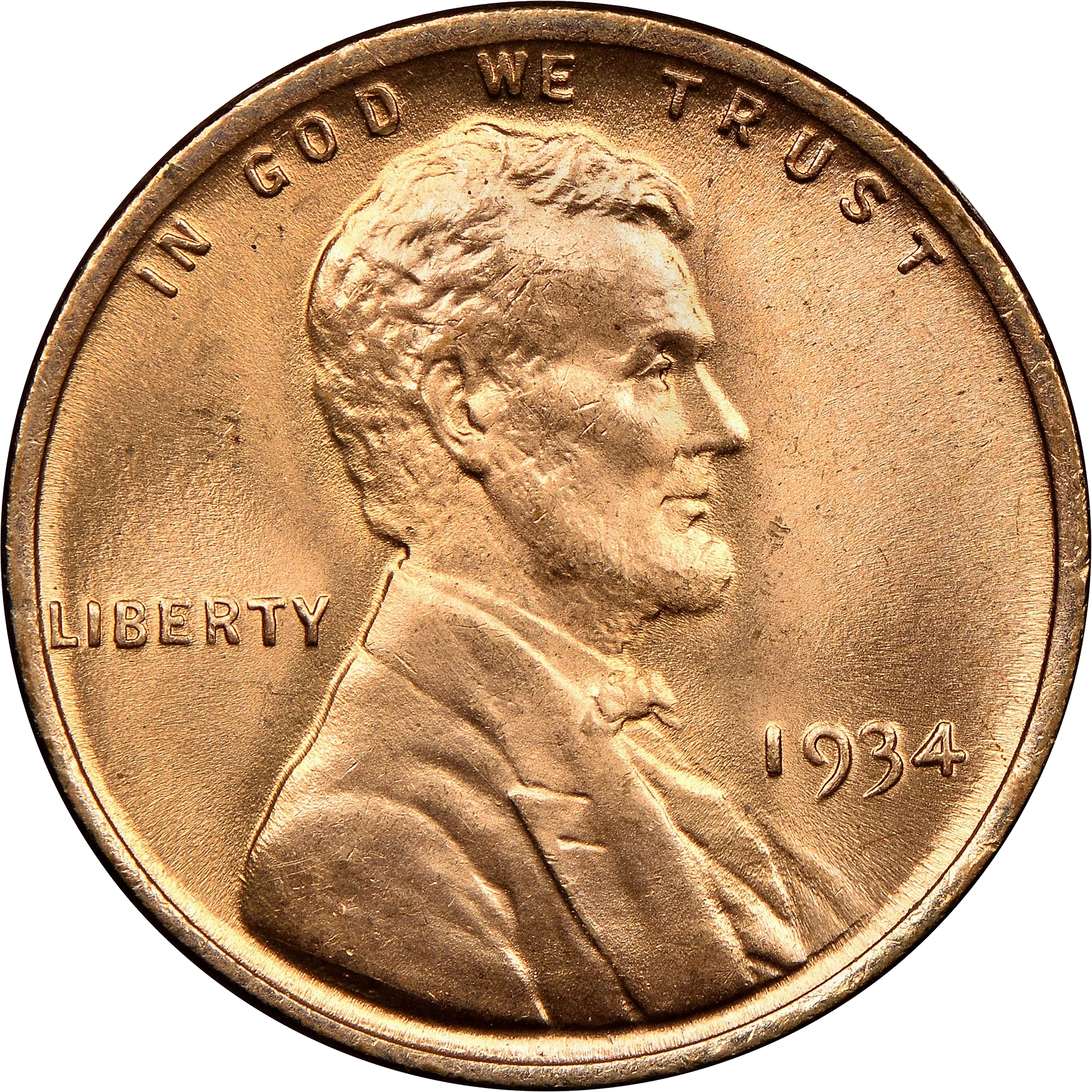
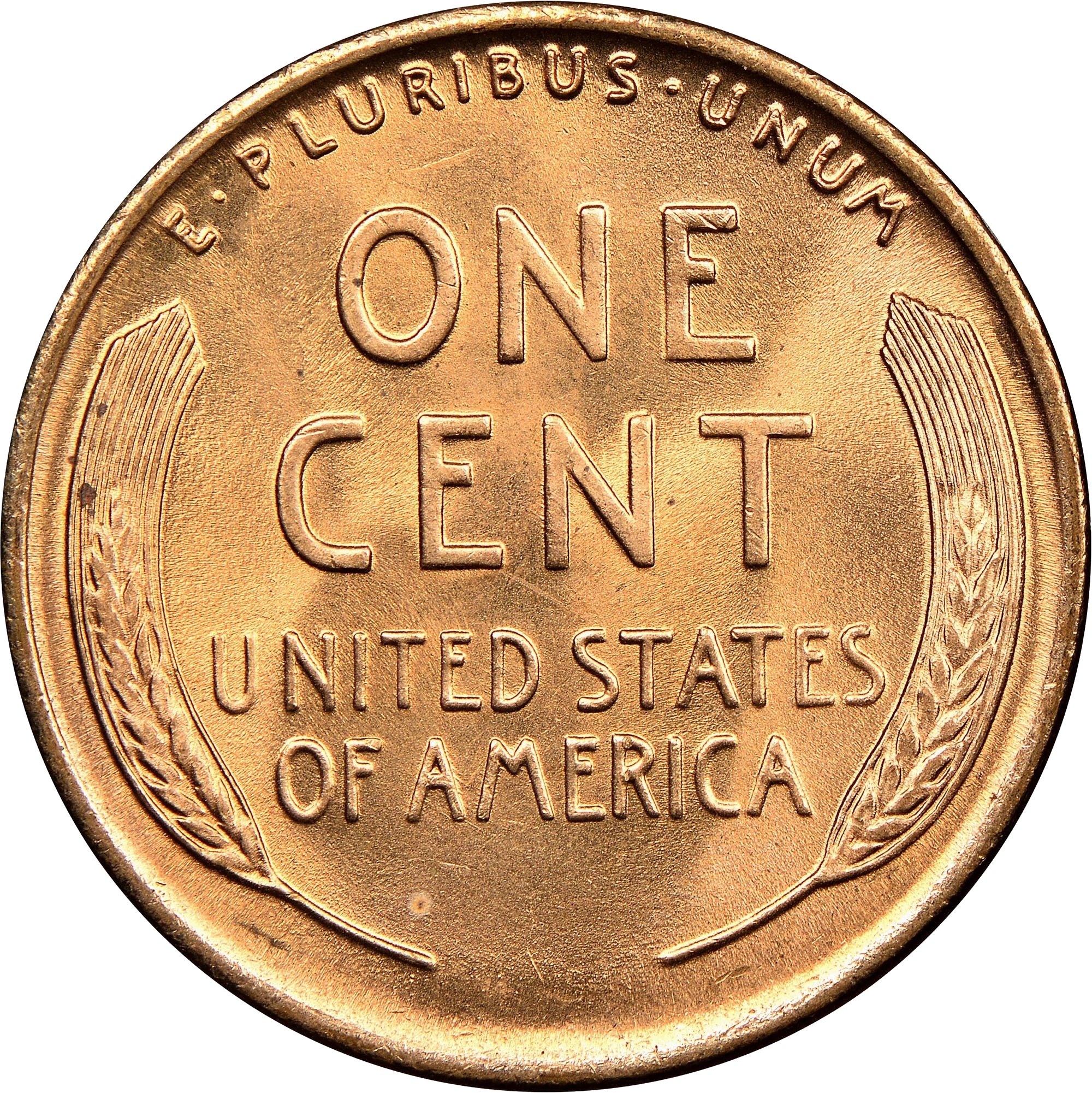
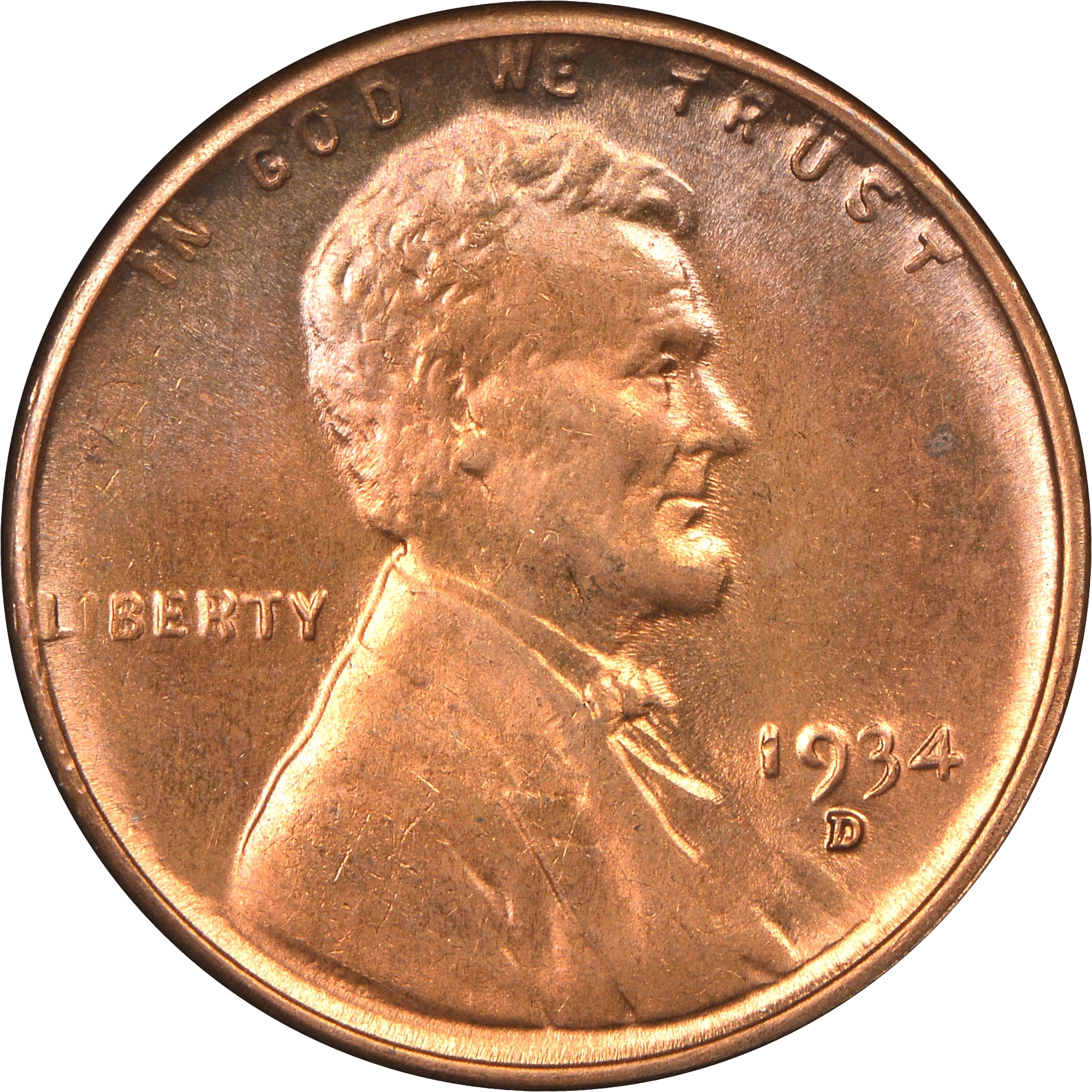
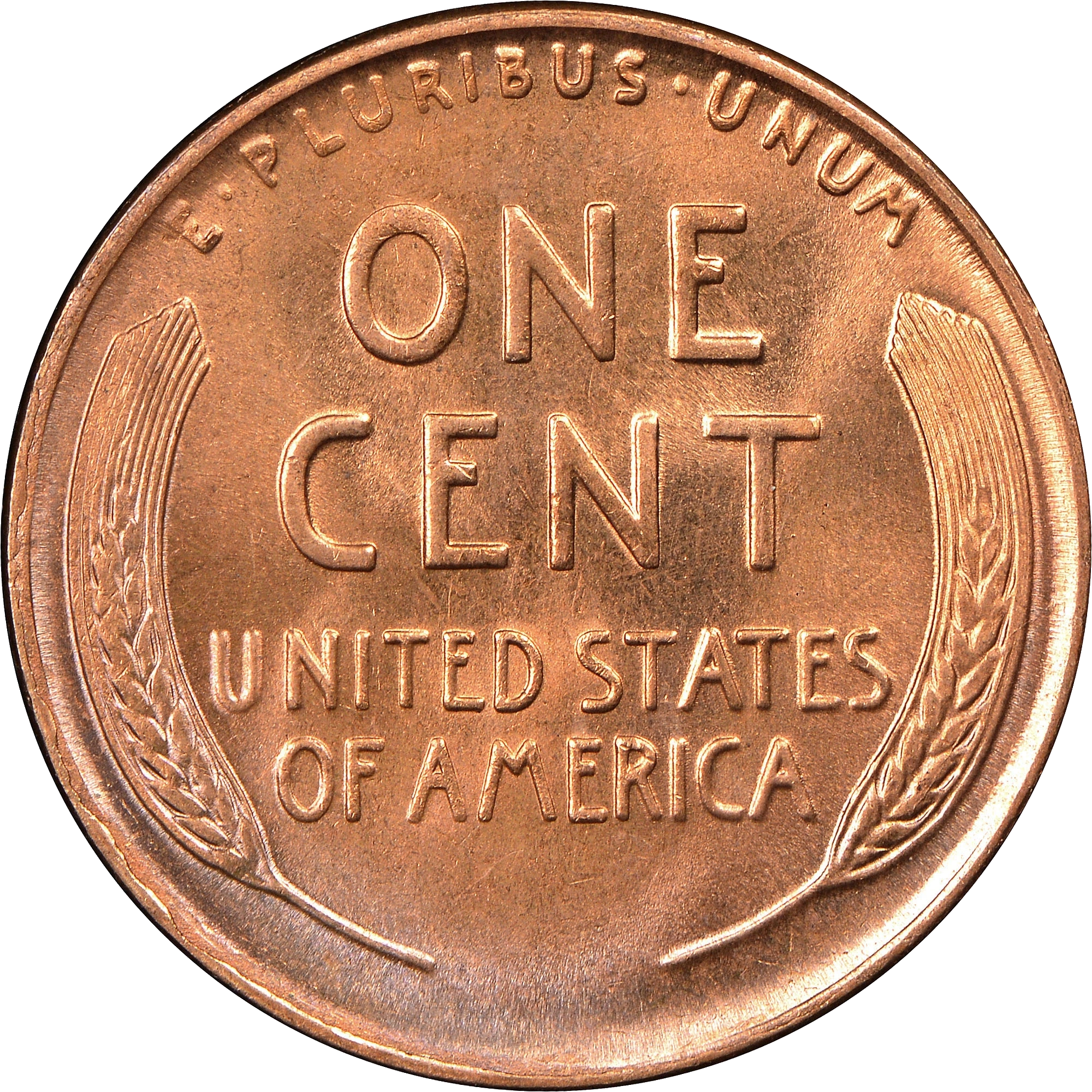
1934 D cent reference views
Basics & coin story
New-coin demand increased in 1934 during economic recovery efforts. Philadelphia struck 219,080,000 cents, compared with Denver’s 28,446,000. Saving uncirculated rolls helped preserve many coins. The date is therefore more useful as an identification starting point than as a claim of rarity.
| Feature | What to check |
|---|---|
| Issue | 1934 Lincoln wheat cent |
| Designers | Victor D. Brenner |
| Nominal weight / diameter | 3.11 g / 19 mm |
| Composition | 95% copper with tin and zinc |
| Edge | Plain |
| Mint-mark guide | No letter: Philadelphia; D: Denver |
| Circulation mintage | Philadelphia: 219,080,000; Denver: 28,446,000 |
Identification and variety checks
What should a complete coin show?
Read every numeral of 1934, then compare both faces: Lincoln’s portrait, LIBERTY, IN GOD WE TRUST and the date on the obverse; ONE CENT and UNITED STATES OF AMERICA between two wheat ears on the reverse. Do not identify the coin from a cropped portrait alone. If the date or mint-mark area is obscured, take a second photograph rather than borrowing the identity of a similar-looking coin.
Look below the date for the Denver D; the other regular issue is Philadelphia with no letter. Philadelphia coins are often better defined, while worn Denver dies can leave soft details. A longer tail on the 3 is part of the normal 1934 date style and does not alone establish a variety.
Which detail deserves a closer look?
Unusual extra numeral traces have been discussed for the Philadelphia issue, and a 1934-D FS-101 doubled-die obverse has a separate catalog entry. These are different attributions. Keep the mint mark and full diagnostic pattern together; date numerals were not individually hand-punched into 1934 working dies, so an apparent extra digit should not casually be called a repunched date.
How can you check it without altering the coin?
- Photograph both faces straight on in diffuse light, keeping the full rim visible.
- Take a focused close-up of the date, mint mark or suspected variety feature. Change the light angle to distinguish raised detail from a scratch.
- Match the mint and manufacture before choosing a price row. If the diagnostic remains unclear, keep the identification provisional and ask a specialist.
Use the related series guide for wider design context, and the coin grading scale for condition terminology.
Condition & value
Compare the exact issue, manufacture, grade and copper-color designation. MS means Mint State; PF means Proof. BN, RB and RD mean Brown, Red and Brown, and Red. A worn brown coin does not inherit the value of a red gem. Source-row updates below use month/day/year; all figures are U.S. dollar guide estimates.
| Issue / manufacture | Condition | Color | USD guide | Guide row updated |
|---|---|---|---|---|
| 1934 1C MS | Good | BN | $0.15 | 07/12/2020 |
| 1934 1C MS | Fine | BN | $0.25 | 07/12/2020 |
| 1934 1C MS | Extremely Fine 40 | BN | $1 | 07/12/2020 |
| 1934 1C MS | Mint State 63 | BN | $10 | 07/12/2020 |
| 1934 1C MS | Mint State 65 | BN | $17 | 07/12/2020 |
| 1934 1C MS | Mint State 65 | RD | $50 | 05/03/2019 |
| 1934 D 1C MS | Good | BN | $0.20 | 07/12/2020 |
| 1934 D 1C MS | Fine | BN | $0.50 | 07/12/2020 |
| 1934 D 1C MS | Extremely Fine 40 | BN | $3 | 07/12/2020 |
| 1934 D 1C MS | Mint State 63 | BN | $21 | 07/12/2020 |
| 1934 D 1C MS | Mint State 65 | BN | $28 | 07/12/2020 |
| 1934 D 1C MS | Mint State 65 | RD | $90 | 04/30/2019 |
How do wear, strike and color change the comparison?
Rotate the coin in soft light. Friction on the high points, contact marks and loss of luster are different observations from a weakly formed design. A photograph can help organize those observations, but it cannot reliably settle every grade or color question. Compare the overall surfaces rather than selecting a grade from one sharp letter.
Spotting, corrosion, smoothing, cleaning and altered color can make a coin unsuitable for comparison with a problem-free certified example. Keep an original brown surface rather than attempting to polish it red. For a closer diagnosis, see the coin appraisal guide.
What should you compare before selling?
Match the date, mint, manufacture, grade, color and problem status to completed sales. Dealer asking prices, retail guide figures and net selling proceeds are different amounts. A variety premium requires the same attributed variety; an exceptional auction record does not describe every coin from the year.
If the expected value is modest, consider the cost of certification and selling fees before submitting an ordinary coin. Seek a specialist first when authenticity, an unusual alloy, a specific die variety or exceptionally high condition could materially change the decision.
Summary
Most circulated 1934 wheat pennies are common, but the D mint mark changes the relevant price line. Match the mint and copper color, preserve the surfaces, and verify any claimed variety before assigning a premium.
FAQ
How much is a 1934 penny worth?
The dated NGC guide lists $0.15 at Good, $0.25 at Fine and $1 at Extremely Fine 40 for the ordinary brown-color issue. These are reference guide levels, not guaranteed selling prices.
Is a 1934 wheat penny with no mint mark normal?
Yes. It is the Philadelphia issue. Denver used D; no S circulation issue belongs in this year’s mint comparison.
Does the long tail on the 3 make a 1934 penny rare?
No. The date’s normal style includes a longer tail on the 3. A doubled-die attribution requires additional matching diagnostics.
Should I clean this penny before photographing it?
No. Photograph it under diffuse light without polishing, rubbing or chemical cleaning. Altered surfaces can lower collector interest and remove useful evidence.
References
References and further reading
- NGC 1934 1C MS: specifications, issue analysis and dated grade/color guide
- NGC 1934 D 1C MS: specifications, issue analysis and dated grade/color guide
- NGC: 1934-D doubled-die obverse FS-101 catalog entry
Accessed November 19, 2026. Each guide row retains its source update date, which is distinct from the access date. Guide amounts are estimates, not documented sales or guaranteed offers. Reference photographs do not certify a reader’s specimen.