

 App Store

COIN VALUE GUIDES · PENNIES
1916 Wheat Penny Value:P, D, S and the Matte Proof
Read a 1916 Lincoln penny’s mint mark and copper color, compare worn and uncirculated values, and recognize why a Matte Proof requires separate attribution.
 HeriBase Editorial TeamPublished
In this article
Quick answer
A 1916 wheat penny with no mint mark is a normal Philadelphia cent. D and S are Denver and San Francisco, which generally merit their own grade comparisons. The PCGS printed guide’s historical Fine-grade references are $0.25–$0.50 for Philadelphia, $1.00–$1.50 for Denver and $3.00–$3.50 for San Francisco.
These older guide figures are a starting point for how mint and wear affect the price. Current sales, original surfaces, copper color and a confirmed Matte Proof attribution can change it substantially.
Coin photos
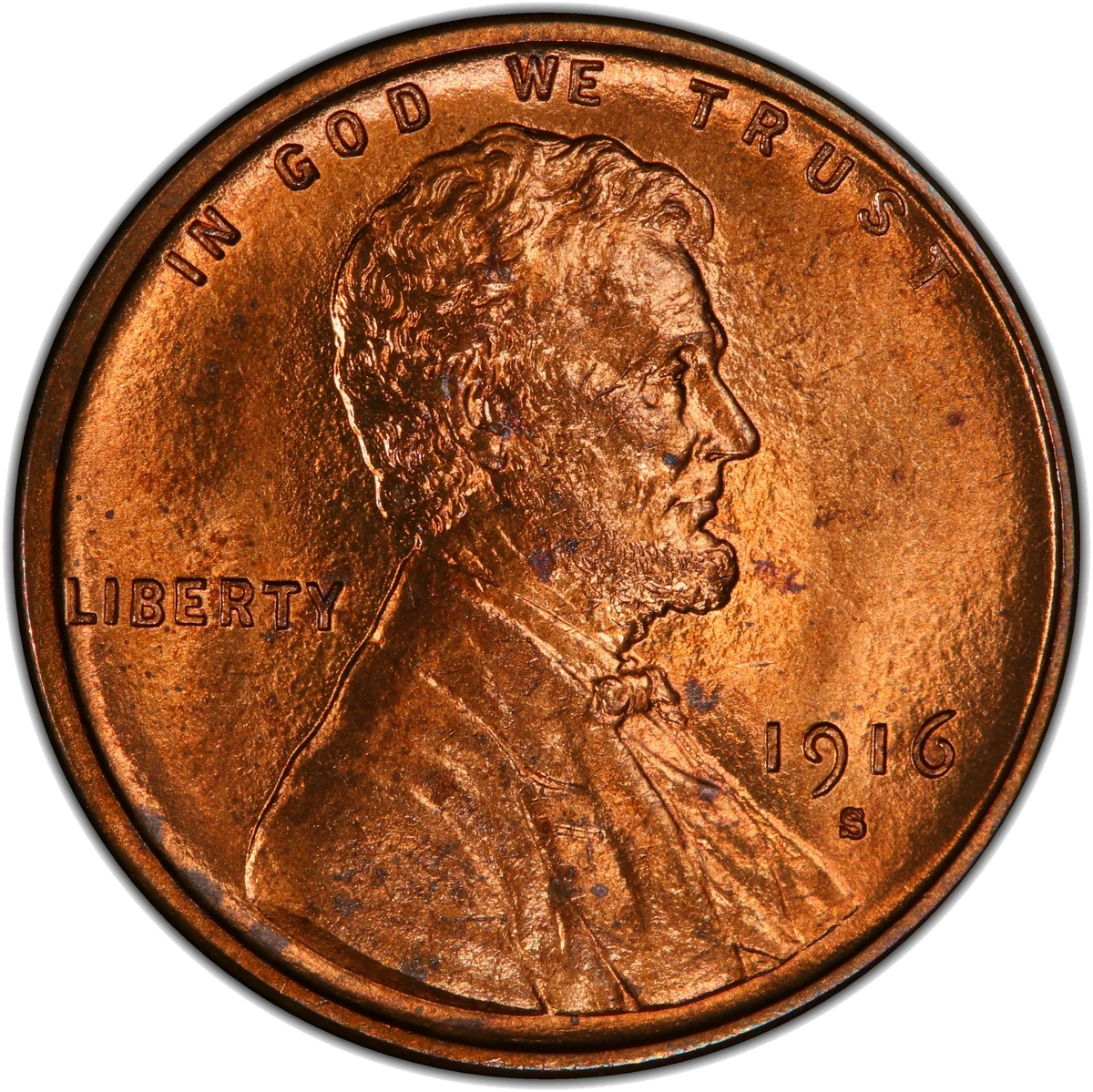
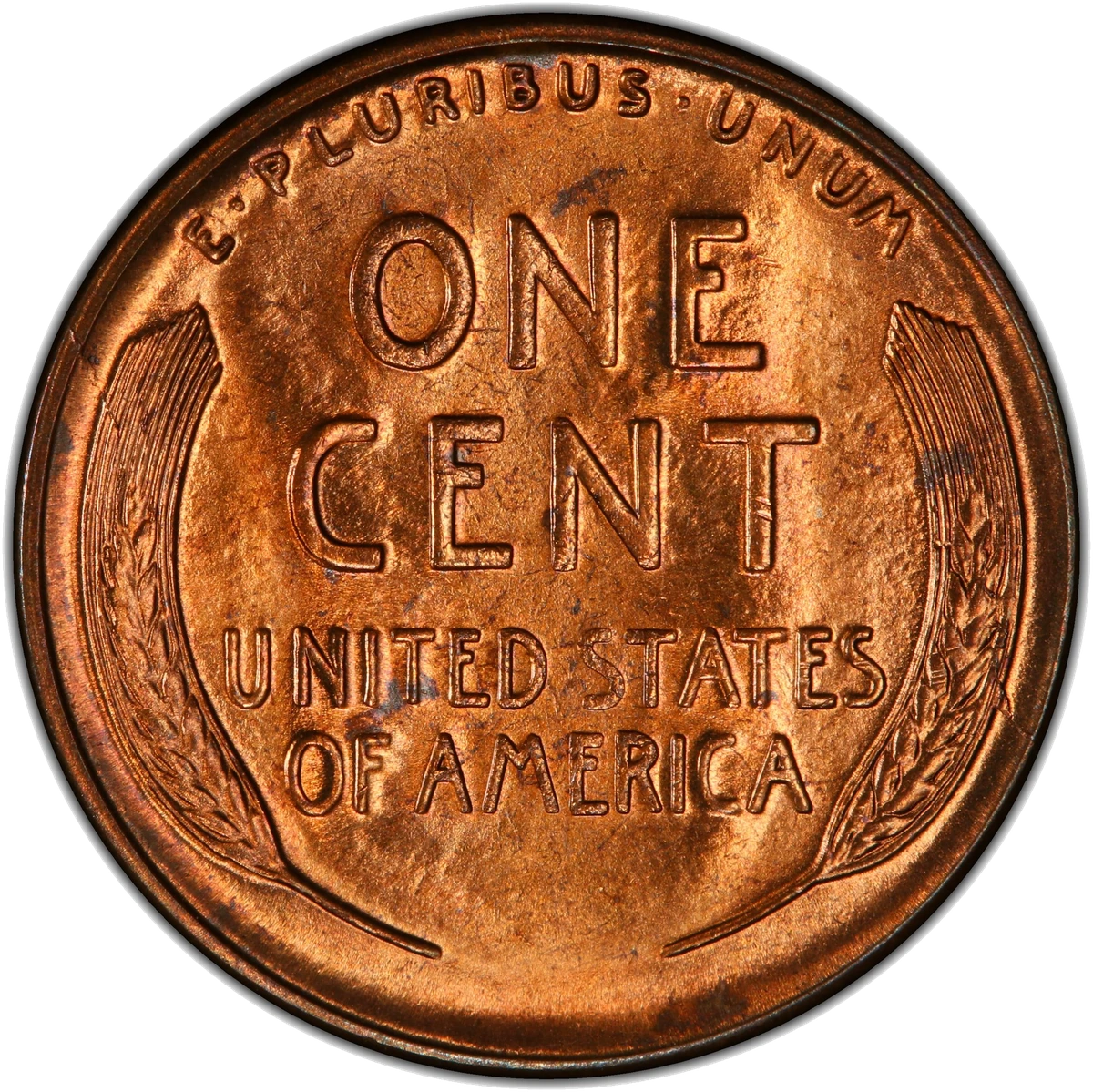
Basics & coin story
Victor David Brenner’s wheat reverse frames the denomination with two wheat ears. The 1916 regular issues were bronze at all three mints. PCGS lists 131,832,627 regular Philadelphia strikes, 35,956,000 from Denver and 22,510,000 from San Francisco.
The last year of the original Lincoln Matte Proof run was 1916. The Philadelphia Proof has a matte finish, and the surviving Mint records have competing mintage interpretations. It is best identified by a qualified attribution rather than by a supposed production total or a dull surface.
| Feature | What to check |
|---|---|
| Regular mints | Philadelphia (blank), Denver (D), San Francisco (S) |
| Mint letter | Under the date on the obverse |
| Normal composition and dimensions | 95% copper; 3.11 g nominal; 19.00 mm |
| Separate collector issue | 1916 unmarked Philadelphia Matte Proof |
Identification
Check the mint letter below the date
Inspect the entire date, especially any numeral partly obscured by corrosion. A real mint mark is raised and in the expected position. A scratched letter or a bump below the date needs closer examination.
Read the wheat lines and portrait for wear
Look for remaining detail in the wheat heads, cheek and jaw. On an unworn coin, compare Brown, Red and Brown, and Red within the same numeric grade. Color from cleaning or an altered surface can undermine published comparisons.
Evaluate Matte Proof claims using a reference die
Look at the rims, strike and fine details as a group. A matte surface by itself can result from ordinary toning or surface disturbance. A certified Proof reference and die attribution give a stronger comparison. For other dates, see the Lincoln wheat cent series guide.
Condition & value
Amounts are in U.S. dollars. Retail guide values are estimates for the stated grade, mint and designation. A dated sale is a record of one coin. Neither is a guaranteed purchase offer.
| Issue | Grade / condition | Value or reference | Basis | Important condition |
|---|---|---|---|---|
| 1916 Philadelphia | Fine | $0.25–$0.50 | Historical PCGS printed grade guide | Use current comparable sales for a buying or selling decision |
| 1916-D / 1916-S | Fine | $1.00–$1.50 / $3.00–$3.50 | Historical PCGS printed grade guide | Compare the same wear and problem-free surfaces |
| Regular P, D or S | Mint State | Use mint, grade and copper-color designation | Current grade guide or sales | Original surfaces matter |
| 1916 Philadelphia | Attributed Matte Proof | Compare like grade and color | Proof market | Production estimates vary by source |
Summary
Read the mark below the date, then grade the wheat lines and Lincoln’s portrait. Compare ordinary strikes at the same mint and grade. A claimed Matte Proof deserves a separate attribution.
Frequently asked questions
Is a 1916 wheat penny with no mint mark an error?
No. Philadelphia regular strikes have no mint mark.
Where are D and S on a 1916 penny?
Look below the date on the obverse.
What metal is in a 1916 penny?
The standard coin is 95% copper, with tin and zinc making up the balance.
Is every dull 1916 penny a Matte Proof?
No. Proof attribution requires compatible rims, strike, surface and other diagnostics.
Is the 1916-S usually compared separately?
Yes. The mint mark, grade and original copper color determine which 1916-S comparisons apply.