

 App Store

COIN VALUE GUIDES · NICKELS
1913 Buffalo Nickel Value:Type 1, Type 2 and the Rare V Nickel
Compare all six 1913 Buffalo nickel mint and type combinations. Learn why the five known 1913 Liberty Head V nickels belong in a separate category.
 HeriBase Editorial TeamUpdated
In this article
Quick answer
A 1913 nickel with a bison reverse is a Buffalo nickel. The raised mound is Type 1 and the recessed FIVE CENTS is Type 2. A circulated Philadelphia example of either type is listed at $18 in Good 4 (G4). At the same grade the 1913-S Type 2 is listed at $225.
A 1913 nickel with a large V and wreath is a different design. PCGS documents five genuine 1913 Liberty Head nickels. An altered 1912 date or replica can look similar, so a 1913 date alone cannot support the rare V nickel price.
Coin photos
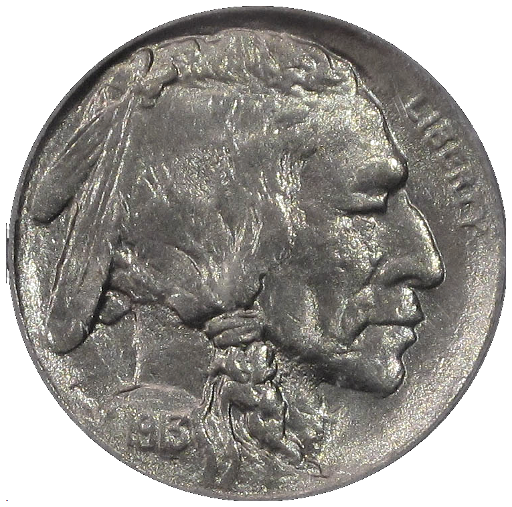
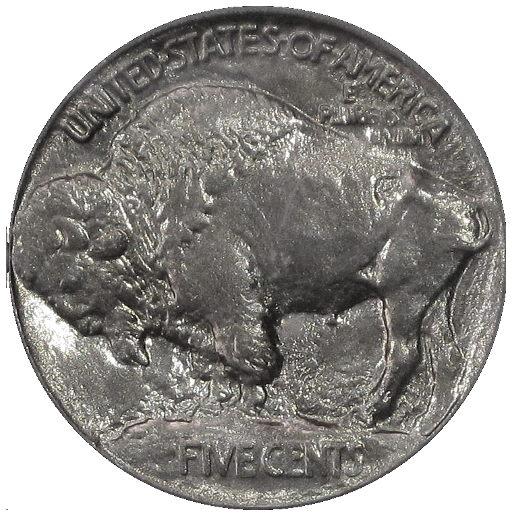
Photographs by Brandon Grossardt, CC BY-SA 3.0. Cropped and resized from the obverse and reverse originals.


Basics & coin story
James Earle Fraser replaced Barber’s Liberty Head design with the Buffalo nickel in 1913. The first coins put FIVE CENTS on the raised mound. The Mint revised the reverse during the same year, recessing the denomination where it could better resist wear.
The documented 1913 V nickels have individual pedigrees and a different design. For the regular circulation series, see the 1912 Liberty Head nickel guide and the Buffalo nickel series guide.
| Feature | What to check |
|---|---|
| Alloy / nominal mass | 75% copper, 25% nickel / 5.00 g |
| Type 1 | FIVE CENTS on a raised mound |
| Type 2 | FIVE CENTS in a recess below a flatter ground line |
| Mint mark | Reverse, below FIVE CENTS, blank / D / S |
| Rare separate design | 1913 Liberty Head with V inside a wreath |
Identification
Identify the design before pricing
Inspect the reverse. A bison means a Buffalo nickel. A V inside a wreath calls for separate Liberty Head identification. Photograph the full date and any evidence of tooling before seeking authentication.
Read the shape of the ground
On Type 1, the denomination lies in raised lettering on elevated ground. On Type 2, the lettering is recessed below a flatter line. A worn denomination can obscure the difference, so compare the surrounding relief as well.
Find the mint and assess wear
The mark sits below FIVE CENTS at the lower rim. Photograph the mint area and obverse date under angled light. If the date is indistinct or the mint letter looks added, use a range reflecting the unresolved attribution instead of a premium asking price.
Condition & value
Amounts are in U.S. dollars. Retail guide values are estimates for the stated grade, mint and designation. A dated sale is a record of one coin. Neither is a guaranteed purchase offer.
| Issue | Grade / condition | Value or reference | Basis | Important condition |
|---|---|---|---|---|
| Type 1, Philadelphia / D / S | G4 | $18 / $25 / $65 | PCGS Price Guide, checked Nov. 24, 2026 | Mint order as shown |
| Type 2, Philadelphia / D / S | G4 | $18 / $125 / $225 | PCGS Price Guide, checked Nov. 24, 2026 | Mint order as shown |
| 1913 Liberty Head V nickel | Authenticated specimen | Individual pedigree and sales | Separate rarity | Five documented examples |
Summary
Start with the reverse design, then record Buffalo type, mint and condition. The scarce 1913-S Type 2 and the five known V nickels require different comparisons.
Frequently asked questions
Is every 1913 nickel rare?
No. Ordinary Philadelphia Buffalo nickels and the five known 1913 Liberty Head nickels belong to different markets.
How do I tell Type 1 from Type 2?
Check whether FIVE CENTS stands on a raised mound or is recessed below the ground line.
Where is the S on a 1913-S Buffalo nickel?
It sits on the reverse below FIVE CENTS. Verify both the S and the ground style.
How many genuine 1913 Liberty Head nickels are known?
Five specimens are documented. An unverified coin deserves independent authentication before a premium valuation.