

 App Store

COIN VALUE GUIDES · PENNIES
1883 Indian Head Penny Value:Brown Copper, Proofs and Varieties
Identify a normal 1883 Indian Head cent, read circulation wear in LIBERTY, and compare brown, red-brown, red and Proof values.
 HeriBase Editorial TeamPublished
In this article
Quick answer
The 1883 Indian Head penny is a Philadelphia issue with no mint mark. A readable, problem-free circulation strike has collector value above one cent. The PCGS guide lists a brown example at $32 in Very Fine 25 and $42 in Extremely Fine 40.
Original color and surface quality matter in higher grades. Red, Red and Brown, cataloged varieties and the separately made 1883 Proof belong in different price comparisons.
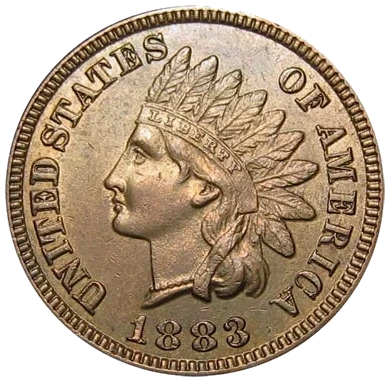
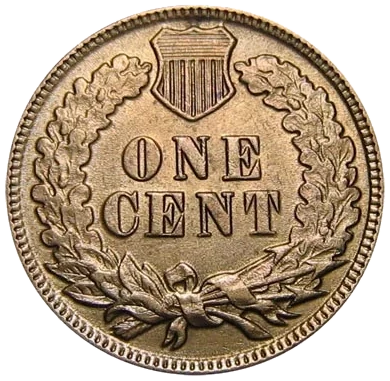
Coin photos
Basics & coin story
James Barton Longacre depicted Liberty in a feathered headdress. By 1883 the bronze cent carried the shield and oak wreath reverse. The 45,591,500 regular strikes were a large output for the series, so the date is readily available in typical circulated condition.
Philadelphia also made 6,609 Proofs. Historical Proof cents can be brown and can lose their reflectivity, especially after handling. Their color alone is an unreliable way to determine how they were struck.
| Feature | What to check |
|---|---|
| Mint / normal mark | Philadelphia; blank |
| Nominal mass and diameter | 3.11 g; 19.00 mm |
| Alloy | 95% copper, 5% tin and zinc |
| Regular / Proof production | 45,591,500 regular strikes; 6,609 Proofs |
Identification
Read the date and the headband together
Find all four date digits below the portrait. Under diffuse light, look at the letters in LIBERTY and how much detail remains in the feathers. Compare a certified grade and the reverse wreath before estimating a range.
Separate wear from color and surface problems
The copper may be brown and still retain original surfaces. In high grades the Brown, Red and Brown and Red designations describe color separately from wear. Parallel hairlines, heavy corrosion or suspiciously even orange color warrant a separate surface assessment.
Match a raised date feature to a specific attribution
PCGS lists misplaced-date varieties including FS-301 and FS-302 and a misaligned die clash FS-401. Carefully check the documented location and orientation of the extra features. A dent around the date or a single discoloration provides weak evidence. Use the Indian Head cent guide for series context.
Condition & value
Amounts are in U.S. dollars. Retail guide values are estimates for the stated grade, mint and designation. A dated sale is a record of one coin. Neither is a guaranteed purchase offer.
| Issue | Grade / condition | Value or reference | Basis | Important condition |
|---|---|---|---|---|
| Regular Brown | VF25 / XF40 | $32 / $42 | PCGS retail guide, November 2026 | Problem-free example; lower grades use lower guide entries |
| Regular Red and Brown or Red | Mint State | Compare color designation and exact grade | PCGS grade guide | Color restoration lowers collector confidence |
| 1883 Proof | Certified Proof | Compare PR grade and color | Proof market | Do not price as a circulation strike |
| Attributed variety | Same catalog number and grade | Use completed sales | Variety-specific comparisons | Require matching diagnostics |
Summary
Confirm the full date, read wear on the headband and wreath, then compare the correct Brown or higher-color grade. Use Proof or variety prices only after the separate attribution is supported.
Frequently asked questions
Does an 1883 Indian Head penny have a mint mark?
No. The 1883 date was struck at Philadelphia without a mint mark.
Is an 1883 Indian Head cent rare?
The regular issue had a large mintage and is routinely collected in circulated grades. Proofs and certain attributions are separate.
Is a brown 1883 penny damaged?
Brown is a normal result of copper aging. Evaluate corrosion, hairlines and luster separately.
Where can I check the wear?
Start with LIBERTY on the headband, the feather detail and the wreath on the reverse.
Can a shiny 1883 cent be assumed to be a Proof?
No. Examine the rims, strike and original surface finish, and check a certified reference.