

 App Store

COIN VALUE GUIDES · DOLLAR GUIDES
Most Valuable Morgan Dollars: Key Dates and Condition Rarities
Identify major Morgan dollar keys, compare same-grade auction evidence, and separate scarce dates, Proofs, condition rarities and ordinary Carson City issues.
 HeriBase TeamPublished Updated
In this article
Which Morgan dollars deserve the closest value check?
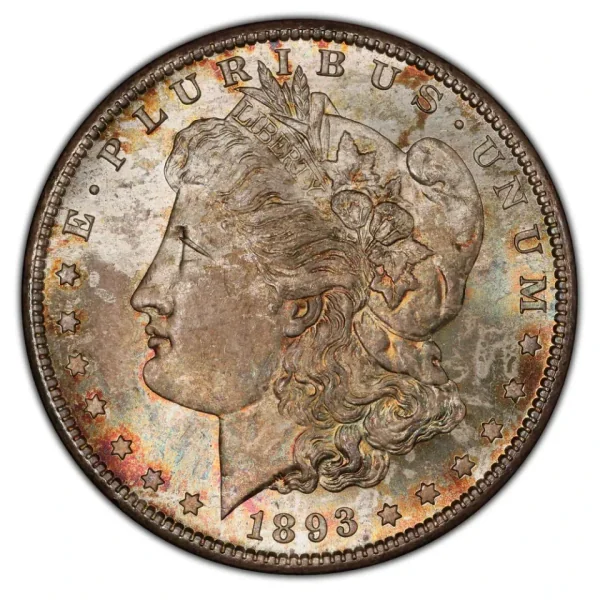
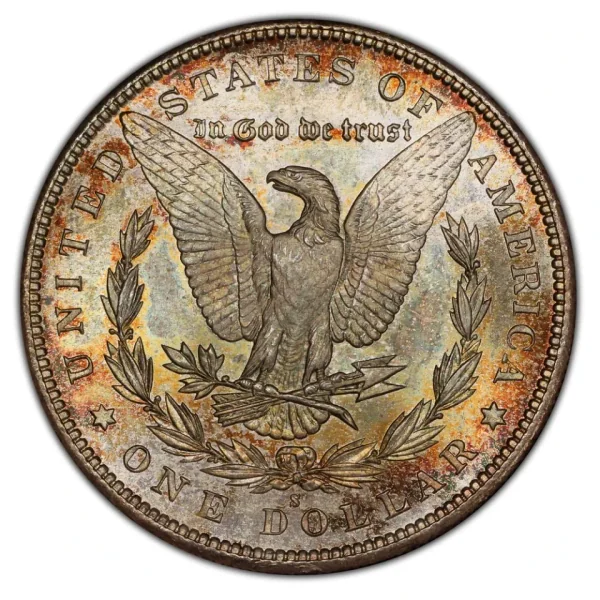
Important Morgan dollar candidates include 1893-S, 1889-CC and the 1895 Philadelphia Proof, but value depends on identity, manufacture and condition. Condition rarities such as 1892-S need grade-specific comparisons. Two selected PCGS VF30 auction results below show why neither a Carson City mint mark nor a series-wide record price can value every coin.
Updated November 13, 2026. Price figures retain their stated reference dates and conditions.
Coin photos
Basics & coin story
Morgan dollars were struck for a long-running monetary role, but their modern availability also reflects storage, melting and later releases. Two issues with similar original mintages can therefore have different collector availability.
A complete date-and-mint collection is a different undertaking from owning one example of the design. Some collectors pursue varieties or prooflike surfaces instead. Define the collection before deciding which coin is essential.
The Morgan series overview explains the design. The mintage guide supplies production context; this page focuses on scarcity categories and the evidence needed before paying a premium.
| Feature | What to check |
|---|---|
| Classic keys | 1893-S, 1889-CC, 1895 Philadelphia Proof |
| Mint-mark location | Reverse, below the wreath bow and above DOLLAR |
| Standard historic alloy | 90% silver, 10% copper |
| Nominal silver content | Approximately 0.7734 troy ounce |
| Key date | Scarcity of a particular issue |
| Condition rarity | Scarcity at a specific preservation level |
| Prooflike designation | Surface characteristic; not Proof manufacture |
| Primary risk | Altered dates, added mint marks or incorrect manufacture |
Identification
| Candidate | Why it belongs on the list | Check before comparing prices |
|---|---|---|
| 1893-S | Classic scarce San Francisco issue | Genuine date and S; exact condition |
| 1889-CC | Important Carson City key | Genuine CC and date; no added letters |
| 1895 Philadelphia | Known collector Proof issue | Proof manufacture; not an ordinary no-mark circulation claim |
| 1895-O and other condition rarities | Availability changes greatly with grade | Exact numerical grade and surface quality |
Read the entire identity
Write the date, mint and manufacture as one description. An 1893 Philadelphia coin is not an 1893-S; an 1895-O is not the Philadelphia Proof. A short auction title can hide a decisive distinction.
The 1895 Philadelphia business-strike question has a complicated historical record. Do not advertise an unverified no-mark coin as a surviving regular strike. Use the 1895 issue guide for the mint-by-mint distinction.
Authenticate the expensive feature
An added mint mark can turn a common-looking coin into an apparent key. A copied certificate number is also not enough: compare the coin with the certification photographs and inspect the actual holder and surfaces.
Avoid scraping a suspect letter or polishing the area around it. Those actions can damage evidence. A costly raw key-date claim calls for experienced examination, not only an image-search match.
Keep condition rarity separate
A high Mint State auction is evidence for that grade, not for the date in all grades. Compare cheek marks, field preservation, wear and any Details designation. Prooflike and Deep Mirror Prooflike designations create further distinct comparisons.
Condition & value
USD references checked October 29, 2026. Face value is the denomination; a guide estimate is not a completed sale or purchase offer. Where a matched current price was not verified, use the issue-specific comparison described below.
| Issue | Grade / condition | Value or reference | Basis | Important condition |
|---|---|---|---|---|
| 1893-S | Genuine, exact circulated grade | Use matched issue sales | Key-date market | Not every 1893 dollar |
| 1889-CC | Genuine date and CC | Use matched issue sales | Key-date market | Not every Carson City dollar |
| 1895 Philadelphia | Proof manufacture and exact grade | Proof records only | Separate issue | Do not infer a business strike |
| Condition rarity | High grade verified | Same grade and designation | Preservation scarcity | Low-grade price may be very different |
| Contained silver | Nominal 0.7734 troy oz | 0.7734 × silver price | Metal reference | Does not capture a key-date premium |
This checklist intentionally avoids a universal dollar range. A sound price requires a verified grade, date, mint, surface description and transaction date. A chart that omits those fields can make radically different coins appear interchangeable.
Mintage is production, not a count of surviving certified specimens. Population reports count submissions under their own rules and should not be added across services as though each entry were a different surviving coin.
For a credible candidate, keep both-side photographs, provenance and original holders. Compare at least the relevant issue description and fee basis before interpreting a sale total. The 1893-S guide provides a focused example of the authentication problem.
Which candidates matter, and what do same-grade sales show?
| Issue / group | Why check it | Diagnostic priority | Condition distinction | Next comparison |
|---|---|---|---|---|
| 1893-S | Major regular-issue key | Date and genuine S beneath wreath bow | Worn and Mint State are different markets | 1893-S guide |
| 1889-CC | Scarce Carson City date | Genuine CC and unaltered date | Do not apply gem prices to circulated coins | Same-grade sales below |
| 1895 Philadelphia Proof | Special manufacture and key issue | Confirm Proof manufacture and attribution | Proof is not simply a shiny circulation strike | Specialist Proof records |
| 1892-S | Condition rarity | Correct date and S | High-grade scarcity differs from worn availability | Match numerical grade |
| 1895-O | Condition-sensitive issue | Date and O; surfaces and strike | Large premiums can be grade-specific | Compare original same-grade coins |
| Commoner dates, including many 1881-S | Useful normal comparison | Correct issue and preservation | Exceptional grade or PL is separate | Do not call every S or CC a key |
The following original Heritage records are both PCGS VF30. This improves the comparison over mixing grades, but it does not eliminate differences in sale date, eye appeal, surfaces or attribution. The amounts are the auction’s published totals, not seller net proceeds or a current retail quote.
| Issue | Certified condition | Published total | Sale and lot | Comparison limit |
|---|---|---|---|---|
| 1893-S, VAM-2 | PCGS VF30 | $11,590 | Heritage 1396, lot 4128 · Sept. 4, 2026 | Specific attributed specimen |
| 1889-CC | PCGS VF30 | $2,684 | Heritage 1393, lot 7159 · May 2, 2026 | 22% buyer premium stated in record |
Why is a most-valuable list different from a key-date checklist?
An extraordinary grade or Proof result can outrank a rarer issue in lower condition. A checklist identifies candidates for closer examination; a record list compares selected exceptional objects. Neither predicts the value of an uncertified coin merely sharing a year. Seek several closely matched recent transactions after authenticity and preservation are established.
Where should I inspect the mint mark and surfaces?
On a Morgan dollar, inspect the reverse below the wreath bow for the mint letter. Added or altered letters can create false keys, so expensive claims need specialist authentication. Prooflike reflectivity is not the same as Proof manufacture, and harsh cleaning can imitate brightness while changing the comparison. The Morgan series guide explains the normal design; the 1921 dollar comparison helps separate Morgan and Peace types in the transition year.
Summary
Start with a candidate issue, then verify its mint mark, manufacture and preservation. Scarcity of a date and scarcity in a particular grade are separate facts.
The VF30 examples provide comparable historical evidence for two specific coins. Use their dates and fee basis, then seek matching current sales before buying or selling.
FAQ
What are major Morgan dollar key dates?
PCGS identifies 1889-CC, 1893-S and 1895 Philadelphia Proof among the series keys.
Is every CC Morgan dollar a key date?
No. Carson City interest does not make all its dates equally scarce.
Is a condition rarity rare when worn?
Not necessarily. The scarcity may apply mainly to a high grade or specific designation.
Can a mint mark be added?
Yes. An expensive date-and-mint claim requires authentication of the feature and the coin.
Do the VF30 figures represent all 1893-S and 1889-CC dollars?
No. They are individual Heritage results for two PCGS VF30 coins, with different dates and specimen characteristics. Other grades and surface conditions require other comparisons.
Is a Prooflike Morgan automatically an 1895 Proof?
No. Prooflike describes surface reflectivity on qualifying circulation strikes. Proof is a distinct manufacture and must be identified independently.
References
References and further reading
- PCGS: keys and condition rarities
- PCGS: targeting Morgan dollars
- Heritage 1396 lot 4128: 1893-S VAM-2 PCGS VF30, $11,590, September 4, 2026
- Heritage 1393 lot 7159: 1889-CC PCGS VF30, $2,684, May 2, 2026
References consulted October 29, 2026. Price tables retain the update dates stated in the text; guide estimates, face values and completed transactions are different forms of evidence.