

 App Store

COIN VALUE GUIDES · PENNY GUIDES
Indian Head Penny Errors:Doubled Dies, Repunched Dates and Damage Checks
Separate Indian cent die varieties from striking errors and later damage, with a focused attribution checklist rather than unsupported rarity claims.
 HeriBase TeamPublished
In this article
Quick answer
An Indian Head penny error claim needs a production explanation, not merely an unusual mark. Doubled dies and repunched dates are die varieties; an off-center strike or clipped planchet is a different production category. Scratches, corrosion and cleaning are later damage.
The 1873 Doubled Liberty is a recognized variety. Open 3 and Closed 3 are date-style varieties, not proof that a coin was struck twice. Confirm the exact attribution before looking for a premium.
Coin photos
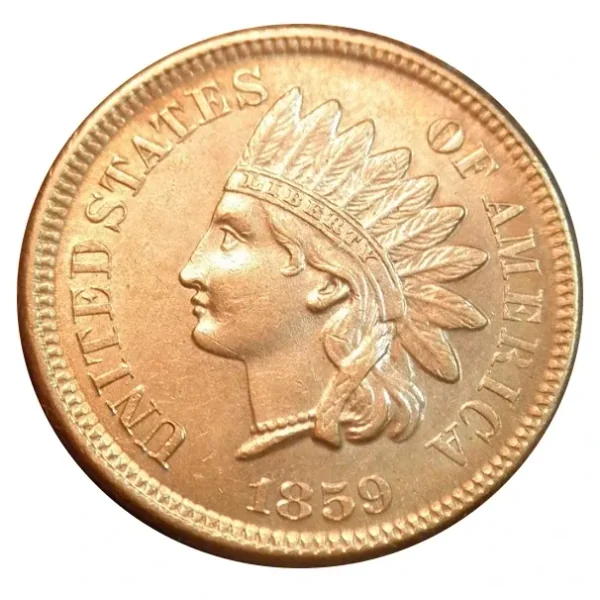
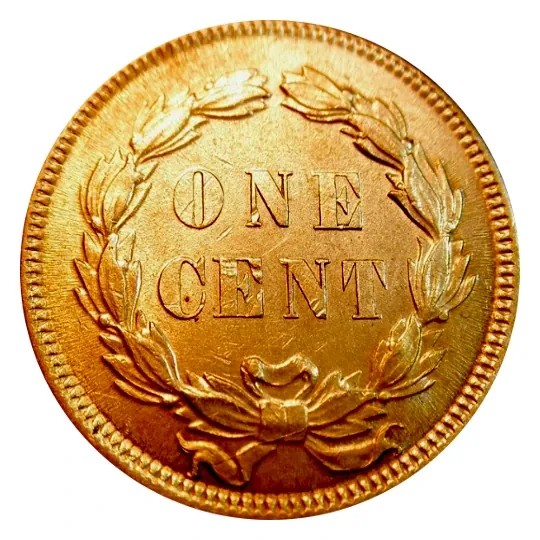
Basics & coin story
Indian cents span changing reverse designs and alloys, so a normal feature can look unusual when compared with the wrong year. The 1859 laurel wreath has no shield by design; it is not an accidental omission.
Date numerals were entered into dies under different manufacturing conditions from modern hubbed dates. Repunched-date research therefore examines relationships between specific digits and die features. A rough-looking numeral is not enough on its own.
The Indian cent overview covers the series and the 1859 guide covers its first-year type. This page focuses on what evidence makes an error or variety claim testable.
| Feature | What to check |
|---|---|
| Die variety | Feature originating in a die |
| Repunched date | Repeated date entry into a die |
| Doubled die | Doubling in the die-making process |
| Strike error | Abnormal event when a coin is struck |
| Planchet error | Abnormality in the prepared blank |
| Damage | Change after manufacture |
| Named example | 1873 Doubled Liberty |
| Basic evidence | Full obverse, full reverse, close-up and measurements where relevant |
Identification
| Observation | Possible category | What must be established |
|---|---|---|
| Strong duplication in LIBERTY on 1873 | Recognized doubled-die candidate | Exact lettering and die attribution |
| Open or closed-looking 3 in 1873 | Normal date-style variety | Compare the actual numeral form |
| Extra traces beside a date digit | Repunched-date candidate | Known date and position diagnostics |
| Design displaced with blank crescent | Off-center candidate | Whole-coin geometry and authenticity |
| Missing curved section of blank | Clipped-planchet candidate | Production clip rather than a later cut |
| Scratched, pitted or smeared surface | Possible post-mint damage | Do not assign a mint-error premium without evidence |
Start with the complete coin
Write the date and design type before zooming in. A close-up with no context may be from a different year or may hide damage elsewhere. Photograph both sides and keep the same lighting for comparisons.
Use changes in illumination to determine relief, but do not treat a single bright edge as another letter. Sharpness added by a phone or editing tool can create a misleading outline.
Use established variety names carefully
PCGS distinguishes the 1873 Open 3, Closed 3 and Doubled Liberty categories. The first two describe date styles; the third concerns a specific doubled-die feature. A seller’s phrase “double strike” should not substitute for that identity.
Older references sometimes call the 1869 feature an overdate. Later discussion questions that interpretation and treats the date as repunched. Record the catalog attribution rather than presenting an uncertain nickname as settled manufacturing history.
Preserve the evidence
Do not probe a line with a needle or remove green material with household chemicals. Physical intervention can destroy surfaces and make attribution more difficult. Photograph the original condition and ask a specialist if the anomaly is credible.
A shifted design, missing detail and missing metal are different problems. An off-center strike may retain part of the blank; a late cut physically removes material. Compare the mechanism, not only the outline.
Condition & value
USD references checked October 29, 2026. Face value is the denomination; a guide estimate is not a completed sale or purchase offer. Where a matched current price was not verified, use the issue-specific comparison described below.
| Issue | Grade / condition | Value or reference | Basis | Important condition |
|---|---|---|---|---|
| 1873 Doubled Liberty | Attribution and preservation established | Use exact variety sales | Recognized die variety | Not any doubled-looking Indian cent |
| Repunched date | Specific catalog match | Separate attribution comparison | Die variety | No automatic flat premium |
| Major strike or planchet error | Genuine mechanism confirmed | Individual records | Production error | Date and visibility affect demand |
| Corrosion or cleaning | Problem surfaces | No mint-error premium established | Later damage | Compare equivalent impairment |
There is no reliable single price for “Indian Head penny errors.” Different mechanisms, visible severity, dates and preservation create different markets. A list with one maximum auction amount can make ordinary damage appear valuable.
Before paying an attribution fee, ask whether the proposed variety is recognized by the service and which photographs or physical examination it requires. A coin-identification suggestion does not certify the die variety.
If the coin proves ordinary, it can still be a useful series example. Keep a clear description of the outcome and use the surface-condition guide when comparing later sales.
Summary
Name the mechanism, establish the date and match published diagnostics before assigning an error premium. Normal design changes and post-mint damage should remain outside the recognized variety list.
FAQ
Are Open 3 and Closed 3 Indian cents errors?
They are recognized date-style varieties. Their different numeral form does not itself prove a double strike.
What is the 1873 Doubled Liberty?
It is a recognized Indian cent doubled-die variety with specific LIBERTY diagnostics.
Does a scratch through a letter make an error?
No. A scratch can be later damage and needs to be separated from an original die feature.
Can a photograph certify an Indian cent variety?
A photograph can support comparison, but a valuable attribution may require specialist examination of the actual coin.
References
References and further reading
References consulted October 29, 2026. Price tables retain the update dates stated in the text; guide estimates, face values and completed transactions are different forms of evidence.