

 App Store

COIN VALUE GUIDES · PENNY GUIDES
2017-P Penny Value:Why Philadelphia Added P and What to Check
Understand the 2017-P Lincoln cent, its one-year Philadelphia mint mark, normal face-value baseline and the evidence required for a premium.
 HeriBase TeamPublished
In this article
Quick answer
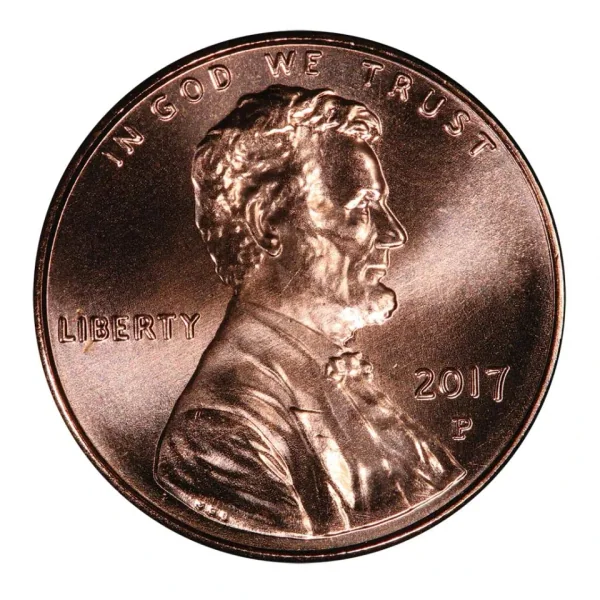
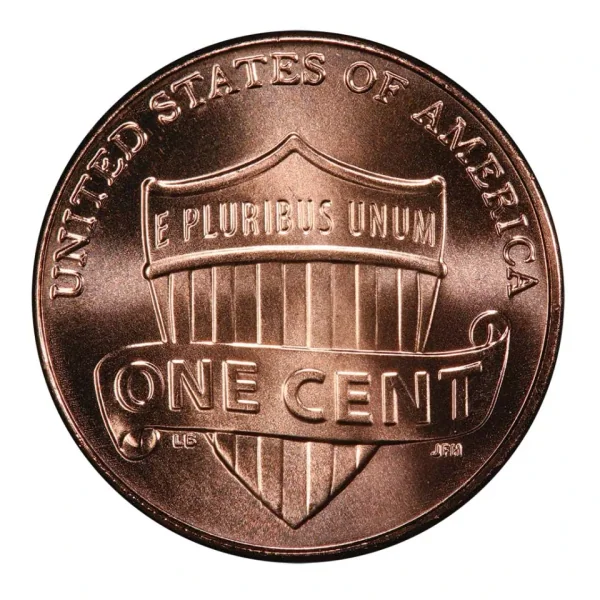
A normal circulated 2017-P penny begins at its one-cent face value. The P was deliberately added for the U.S. Mint’s 225th anniversary; it is not a mint error or proof of scarcity. The coin has Lincoln on the obverse and the Union Shield on the reverse.
Exceptional preservation, a documented variety or a genuine major mint error can require another comparison. Do not apply a certified top-grade sale to every penny with P below the date.
Coin photos
Basics & coin story
Philadelphia cents usually omit P, so a visible letter on a 2017 cent can surprise collectors. The Mint’s anniversary arrangement created an accessible example of how a small design feature can record institutional history.
The mark identifies a minting facility, not a metal or a grade. A 2017-D is a separate Denver issue. The familiar shield is the regular reverse design of this period, rather than an anniversary-only picture.
Use the Lincoln design chronology to separate Memorial and Shield reverses. The 2009 cent guide covers a different anniversary year with four reverse designs.
| Feature | What to check |
|---|---|
| Denomination | One cent |
| Philadelphia mark | P, below 2017 on the obverse |
| Reason for P | U.S. Mint 225th anniversary |
| Reverse | Union Shield |
| Normal alloy | Copper-plated zinc |
| Nominal mass / diameter | 2.50 g / 19.05 mm |
| Other mint comparison | 2017-D is Denver |
| Ordinary circulated baseline | 1 cent; no automatic P premium |
Identification
Read the letter without turning it into an error
Check the date and letter together under diffuse light. Dirt can disguise a P, while contact damage can make a different shape look like one. A clear P on a genuine 2017 cent is the expected Philadelphia feature.
Keep a normal P example as a representative coin if you enjoy mint history. A collectible story and a high resale value are separate things; widespread saving can make attractive ordinary specimens easy to find.
Compare regular coins with the correct product
A glossy regular coin is not automatically a Proof. Check how a collector version was sold and how its manufacture is described, rather than deciding from reflected light alone. Do not mix a multi-coin set’s price with the value of one cent.
For an uncirculated example, examine the open fields, Lincoln’s cheek and the shield. Original luster, marks and corrosion affect its suitability for a high grade. A bright copper coating is not evidence of a rare solid-copper planchet.
Avoid plated-zinc false alarms
Bubbles, blisters, exposed gray metal and staining can arise from the plated construction or later deterioration. Those symptoms are not all the same mint error. Photograph the full coin, then the affected area, and distinguish a raised feature from a cut or a coating problem.
Condition & value
USD references checked October 29, 2026. Face value is the denomination; a guide estimate is not a completed sale or purchase offer. Where a matched current price was not verified, use the issue-specific comparison described below.
| Issue | Grade / condition | Value or reference | Basis | Important condition |
|---|---|---|---|---|
| 2017-P regular strike | Ordinary worn coin | 1¢ baseline | Denomination | P is intentional |
| 2017-D regular strike | Ordinary worn coin | 1¢ baseline | Denomination | Different mint, same basic sorting rule |
| Certified high-grade red example | Exact numerical grade and color | Use matched sales | Collector market | Do not transfer a top-grade result |
| Claimed doubled die or major error | Documented diagnostics | No universal premium | Attribution required | P itself is not the error |
A useful price search includes the date, mint, grade, color designation and whether the coin has a recognized attribution. A result missing those details may compare a different market. Asking prices do not establish completed transactions.
The GreatCollections archive includes graded 2017-P cents, but its broad multi-grade history is not a price range for pocket change. A certification label describes a particular submitted coin, not every piece from the same year.
Keep one pleasing example, avoid cleaning, and use a penny value checklist before spending on grading. The grading and delivery costs may outweigh the plausible premium for an ordinary modern cent.
Summary
The 2017-P is a deliberate anniversary issue with a normal one-cent circulation baseline. Look for evidence beyond the letter before assigning a premium, and compare only equivalent manufacture and preservation.
FAQ
Why is there a P on a 2017 penny?
Philadelphia used P on 2017 cents for the U.S. Mint’s 225th anniversary.
Is every 2017-P penny valuable?
No. An ordinary circulated example begins at one cent. A premium needs a separate reason such as preservation or an attributed error.
Is a 2017-P penny copper?
It has a copper coating over a zinc core, rather than the older bronze construction.
Does P mean Proof?
No. P identifies Philadelphia; Proof describes a manufacturing process.
References
References and further reading
- U.S. Mint: mint marks and the 2017 exception
- PCGS: 2017-P photographs and history
- GreatCollections: graded 2017-P archive
References consulted October 29, 2026. Price tables retain the update dates stated in the text; guide estimates, face values and completed transactions are different forms of evidence.